


Understanding the Executor’s Role
The executor designation is both an honor and a serious obligation. Depending on the size of the estate and your relationship to the deceased, the duties can feel like taking on a second job. Adult children who handle the estate of their last surviving parent often face the most complex scenarios: distributing assets among multiple beneficiaries, selling the family home, and sorting through decades of belongings — some of which may hold significant value. The task becomes even more demanding when family dynamics are strained, the estate is large, or the deceased left little or no estate plan in place.
Securing Legal Authority
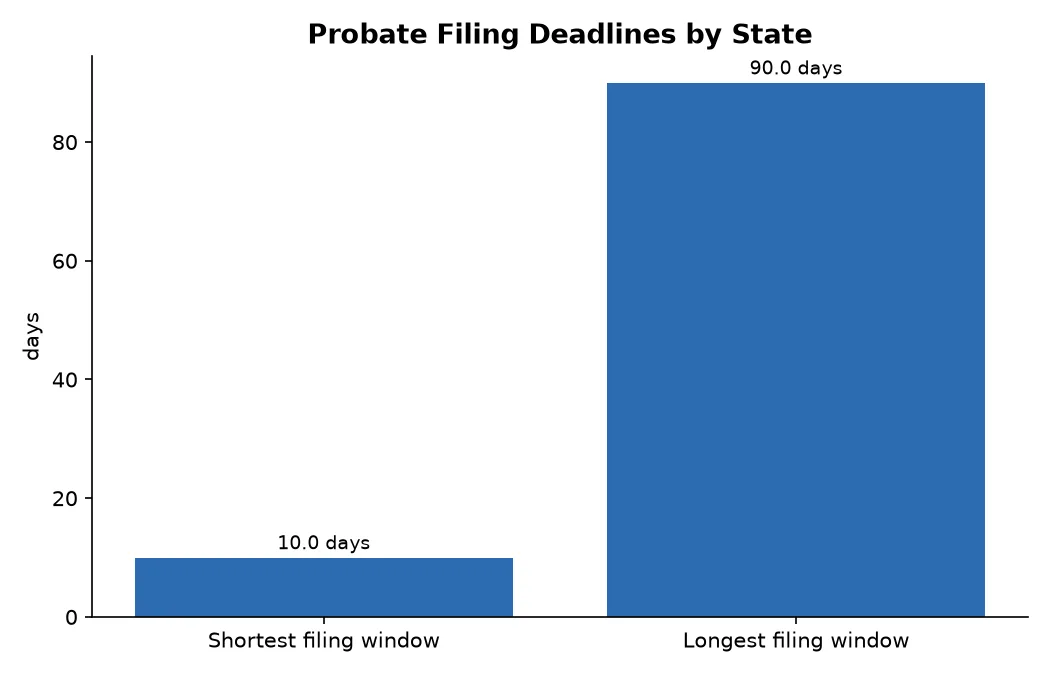
One of the first duties is obtaining copies of the death certificate, typically available through the funeral home. You must then file the will and the death certificate with the county probate court. Filing deadlines vary by state, ranging from as few as 10 days to as many as 90 days after the date of death. If probate is required, the court will issue a letter of testamentary — the document that grants you legal authority over the estate. Without it, you cannot act on the estate’s behalf.
Assembling Your Team of Professionals
In most cases, you will need professional support. An attorney experienced in estate planning can help you navigate probate court proceedings. Depending on the estate’s size and complexity, you may also need a tax professional and a certified financial planner. The attorney who originally drafted the deceased’s will is often an ideal choice, as they are likely already familiar with the estate’s details.
Locating Financial Accounts and Assets
The deceased may have kept organized records of bank accounts, brokerage holdings, insurance policies, and tax returns — but that is not always the case. You may need to act as a detective to uncover forgotten accounts. It is not unusual to discover an insurance policy or bank account months after someone passes away. For example, a stock certificate from decades ago could turn out to be valuable, especially if the issuing company has been acquired multiple times over the years.
Managing Property and Outstanding Debts
If the estate includes a home, you are responsible for maintaining the property and covering the mortgage, property taxes, and insurance until it is sold. You may also need to change the locks to prevent unauthorized access to valuable collections, and ensure the deceased’s vehicle remains properly registered so it is not towed. Throughout this period, you must pay the estate’s outstanding bills and manage deposits on its behalf. Setting up a dedicated bank account in the name of the decedent’s estate is critical — it provides a clear transaction record and protects you if your administration is ever challenged. Unpaid debts must be settled before any assets are distributed, or creditors could pursue legal action against you. You are also responsible for filing state and federal tax returns to ensure any owed taxes are paid or refunds claimed.
Communicating with Beneficiaries
Transparency is essential throughout the process. Keep other heirs informed, particularly when the administration takes longer than expected. Regular updates — ideally on a weekly basis — help build trust. Maintaining thorough records also reassures beneficiaries that you are acting in their best interest and managing the estate responsibly.
Distributing Assets and Closing the Estate
This is the final phase and can only begin once all debts have been paid. In some states, court approval is required before distribution. Dividing personal property is often the most emotionally challenging part, especially when items carry sentimental value for multiple heirs. The deceased’s will, if one exists, should provide guidance. Otherwise, a detailed inventory of all items will help you devise an equitable allocation. Once assets have been distributed, obtain a signed release from every beneficiary acknowledging receipt of their inheritance — this protects you from potential disputes down the line.
Knowing When to Step Back
If the responsibilities feel overwhelming, you have the right to decline the role. Sometimes that is the wisest decision. Another family member may be better suited to step forward, or you can hire a professional to manage the entire process on your behalf.