


The Disconnect Between Wealth and Income
Imagine a couple in their 60s with no debt, a fully paid-off home, and a substantial retirement portfolio. They are ready to downsize or move closer to family, but when they apply for a mortgage, they face a surprising rejection. The issue isn’t their credit score or their actual net worth; it is the way lenders define ‘income’.
Traditional mortgage underwriting was designed for the salaried professional. It looks for consistent, monthly, verifiable paychecks and W-2 forms. For retirees, wealth is often tied up in assets like brokerage accounts, IRAs, or home equity. While these represent significant value, they do not function as a monthly salary in the eyes of conventional lenders.
The Rising Rate of Loan Denials
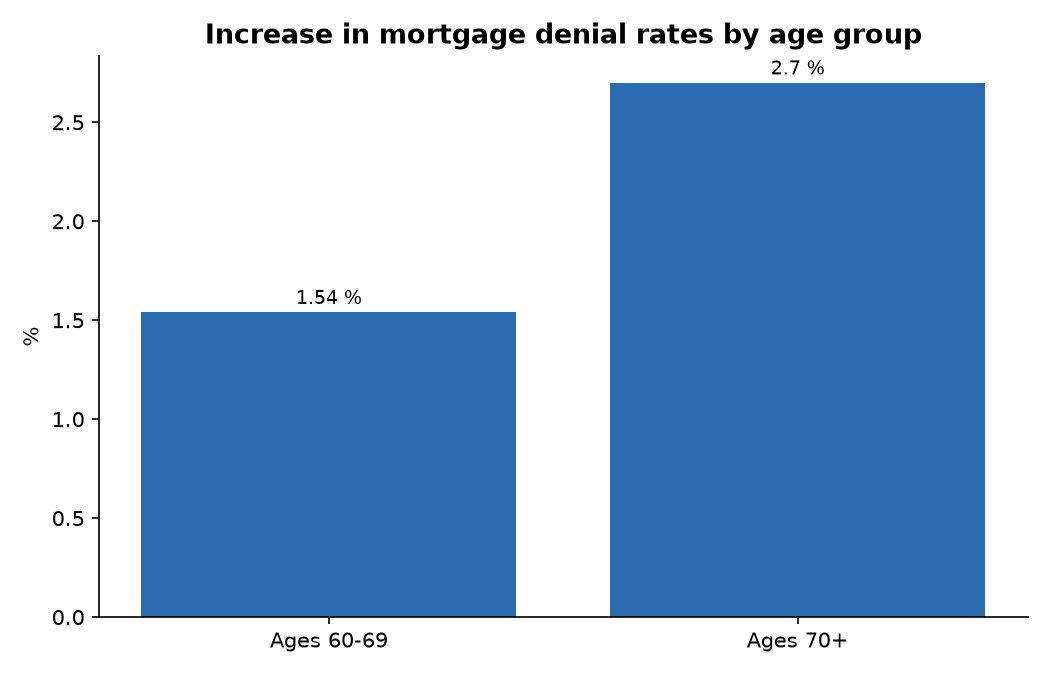
Recent studies indicate that age is becoming a significant factor in mortgage approvals. As borrowers move further into retirement, the likelihood of facing a rejection increases, even when their financial health is robust. Data suggests that applicants between 60 and 69 years old face a higher denial rate compared to younger cohorts, and this gap widens significantly once borrowers pass the age of 70.
Understanding Asset Depletion Strategies
To bridge this gap, a specialized methodology exists known as asset depletion (or asset-based qualification). This process allows lenders to treat a portion of your liquid assets as a source of monthly income. However, not all lenders use this method, and the way they calculate it can drastically change your borrowing power.
Conventional vs. Non-QM Approaches
The method used to calculate your ‘ynthetic income’ depends heavily on the type of lender you choose:
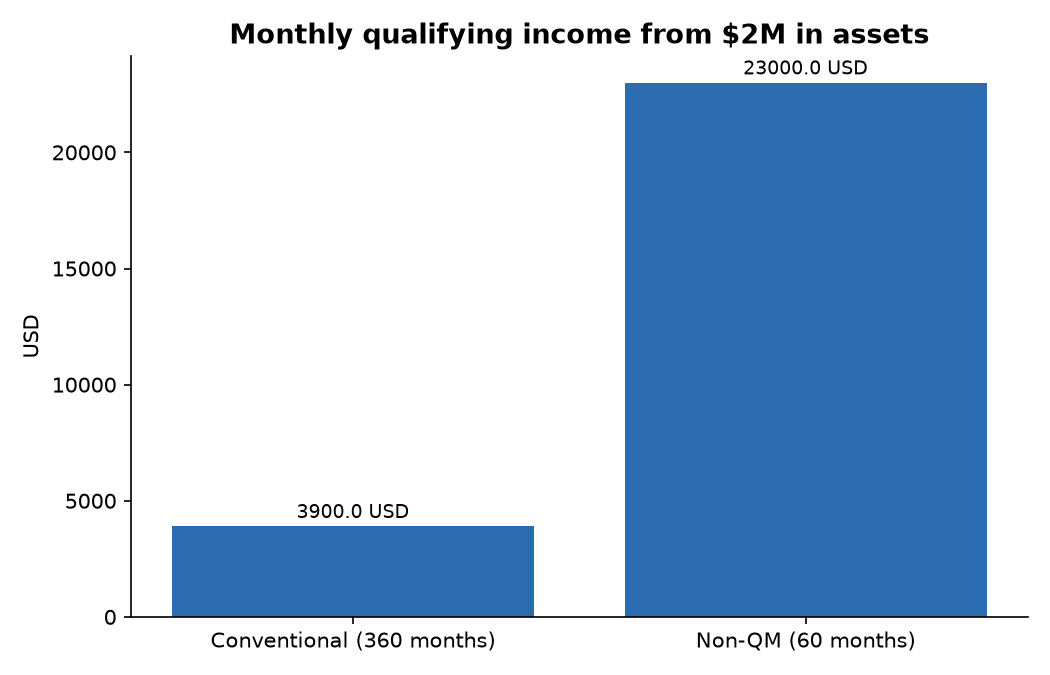
- Conventional Frameworks: Many standard lenders divide your eligible assets over a long period, typically 360 months. This often results in a very low monthly income figure, which may not be enough to qualify for the loan amount you need.
- Non-QM (Non-Qualified Mortgage) Frameworks: These specialized lenders may divide the same assets over a much shorter period, such as 60 months. This significantly increases the perceived monthly income, allowing high-net-worth retirees to qualify for much larger loans.
Note that lenders typically apply a discount (often between 30% and 40%) to retirement accounts to account for future tax liabilities and market volatility before performing these calculations.
Strategic Tips for Retiree Borrowers
If you are planning to purchase a home during retirement, keep these strategies in mind:
- Consult a Mortgage Broker: Unlike big banks that follow rigid, standardized rules, brokers have access to various wholesale lenders and specialized non-QM products that are better suited for retiree profiles.
- Prepare Extensive Documentation: You will likely need several months of statements for every account used to qualify, along with proof of ownership and explanations for any recent large transfers.
- Coordinate with a Financial Advisor: Using your assets to qualify for a mortgage can impact your long-term retirement income plan. It is vital to ensure that your mortgage strategy aligns with your overall wealth management goals.