


A Breakthrough in Privacy Transaction Speed
The team behind a new Zcash node has released an open-source cryptographic library that dramatically reduces the computational burden of creating shielded transactions. Where wallets previously needed more than three seconds to construct a private payment, the new toolkit cuts that window to under 200 milliseconds in certain scenarios — a leap that could reshape how users interact with privacy-focused cryptocurrencies.
How the New Cryptographic Library Works
Shielded Zcash transactions conceal the sender, receiver, and transfer amount. To verify that such a hidden payment complies with network rules, a wallet must perform intensive cryptographic calculations before the transaction can even be broadcast. This pre-processing step has long been a bottleneck, slowing the user experience before the network itself processes anything.
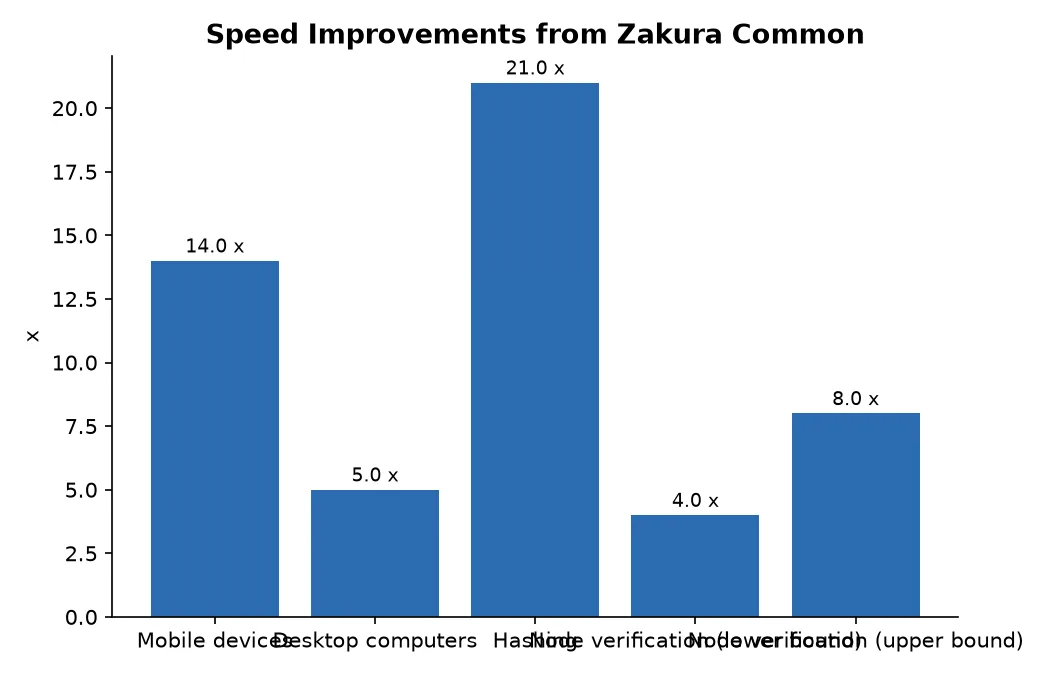
The newly released library, called Zakura Common, optimizes this cryptographic workload. According to the development team, the improvements translate to more than a 14-fold speedup on mobile devices, over a five-fold improvement on desktops, and a hashing performance gain exceeding 21 times. The verification work that network nodes perform on private transactions also becomes between four and eight times faster.
Why This Matters for Everyday Use
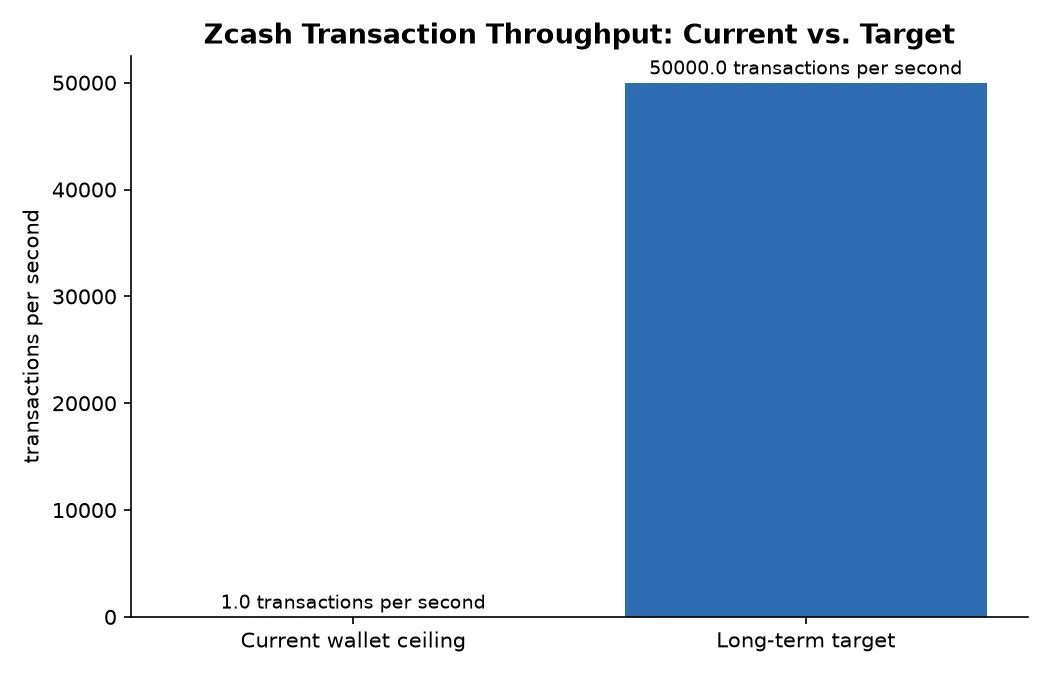
Privacy blockchains have struggled to match the transaction throughput of mainstream payment networks. The project’s architects have set an ambitious target of supporting more than 50,000 private transactions per second — roughly the capacity of major card networks. By contrast, existing wallet software has been estimated to cap out at around one transaction per second.
The new toolkit addresses a specific layer of this scaling challenge: the time a user’s own device spends assembling the private payment. Other bottlenecks, such as node verification speed and wallet data download requirements, remain separate issues being tackled through parallel efforts.
Compatibility and Adoption
One of the most practical advantages is that the libraries work with the network as it currently exists. Wallet developers do not need to wait for a protocol-level upgrade to integrate the improvements. The node software already adopted the new stack in its version 1.3.0 release, and at least one wallet has followed suit.
The team also reports that wallets should synchronize faster under the new libraries, while full nodes benefit from quicker transaction validation and fewer orphaned blocks. The software is reportedly capable of handling the 25-second block times proposed for the network’s upcoming major upgrade.
Broader Implications for the Scaling Roadmap
The cryptographic toolkit is being positioned as a foundational piece of a larger scaling strategy. Related projects aimed at increasing throughput have also migrated to the new architecture, suggesting that the speed gains could compound as more components adopt the same optimizations.
Following the announcement, the native token of the network climbed roughly 5%, approaching $839, although prices later pulled back alongside a broader market decline.