


The Confidence Gap in Retirement Planning
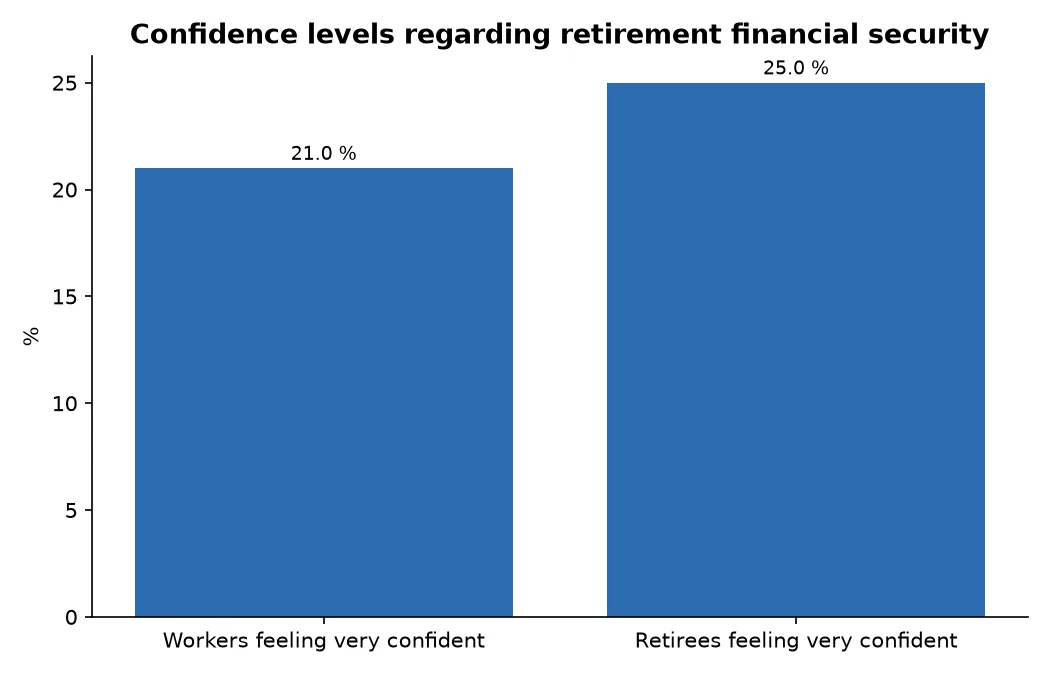
Deciding when and how to stop working is one of life’s most significant milestones, yet many face it with hesitation. Recent data highlights a growing sense of anxiety: only about 21% of workers and 25% of retirees feel highly confident that their savings will sustain their lifestyle throughout their later years.
To bridge this gap, it is essential to move beyond guesswork and embrace strategic, proactive financial management. Here are the five most impactful lessons learned from years of financial observation.
1. Prioritize Independent Financial Guidance
One of the most common mistakes is selecting a financial advisor based on convenience or social circles rather than expertise and objectivity. Many individuals rely on representatives from their workplace retirement plans, who may be limited in the scope of advice they can provide or may prioritize their company’s products.
A more effective strategy is to partner with a fee-only, independent advisor. Because these professionals do not earn commissions on specific investment products, their interests are perfectly aligned with yours. This approach can lead to more efficient strategies, such as utilizing low-cost, tax-efficient ETFs, which can save a significant amount of capital over several decades.
2. Harness the Power of Compounding Early
A frequent misconception is that one must have a substantial income before they can begin investing. In reality, time is your most valuable asset. Thanks to compound interest, even modest, consistent monthly contributions can grow into a substantial nest egg over twenty years.
Furthermore, leveraging tax-advantaged accounts is a game-changer. Whether you choose a Roth IRA for tax-free withdrawals or a traditional 401(k) for immediate tax relief, you are essentially making your tax savings work harder for your future self. Additionally, always aim to capture any employer matching offered in your benefits package—it is essentially guaranteed growth.
3. Utilize Catch-Up Contributions
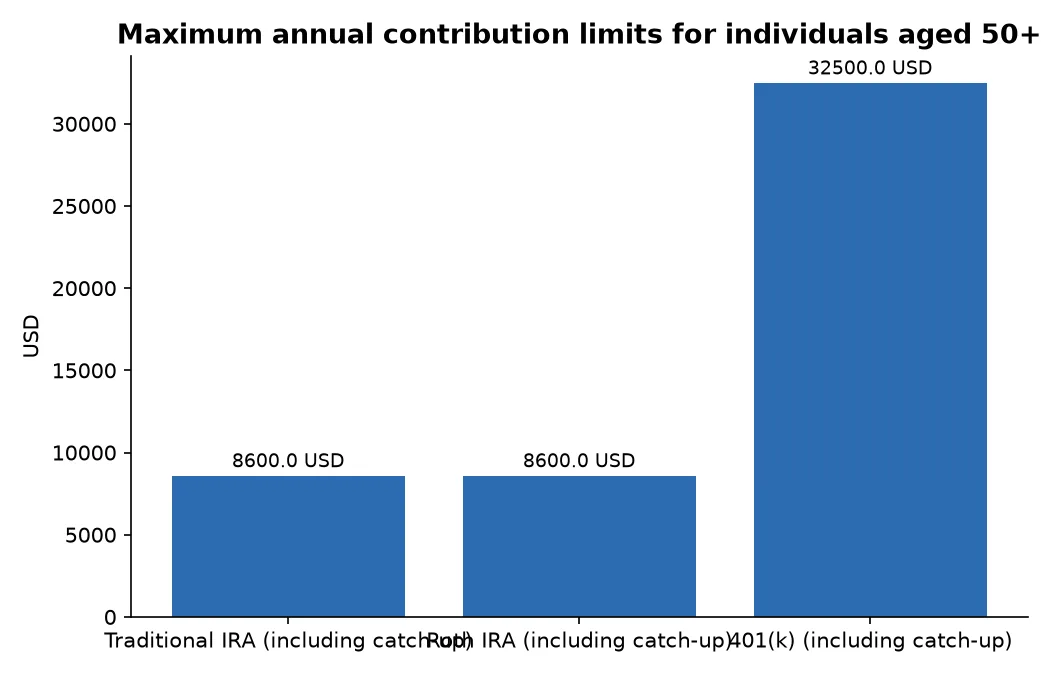
As you enter your 50s, you may realize that your savings aren’t quite where they need to be. This is where regulatory incentives become vital. Tax laws often allow individuals in this age bracket to make ‘catch-up’ contributions, providing a powerful way to accelerate savings in the final decade of a career.
For example, the current limits allow for significant additional contributions to traditional IRAs, SIMPLE IRAs, and 401(k) plans for those aged 50 and older. Taking advantage of these higher limits can be the difference between a precarious retirement and a comfortable one.
4. Evaluate Insurance with Objectivity
Insurance is a necessary component of a financial plan, but having too much unnecessary coverage can drain your wealth through excessive premiums. Conversely, having too little leaves you vulnerable.
As retirement approaches, be wary of complex insurance products like annuities that are sold with high-pressure tactics. These are often dense legal contracts that are not true investments. It is wise to seek an unbiased review from an independent professional to ensure your coverage is appropriate for your specific life stage.
5. Secure Your Legacy Through Estate Planning
Estate planning is often neglected, but it is a fundamental act of responsibility. It involves much more than just distributing assets; it includes establishing legal tools like healthcare proxies, powers of attorney, and living wills.
Without these documents, critical decisions regarding your medical care and the distribution of your property may be left to state laws rather than your own wishes. Proper planning ensures your family is not left in a state of confusion during difficult times and can even offer tax advantages if assets are transferred strategically.