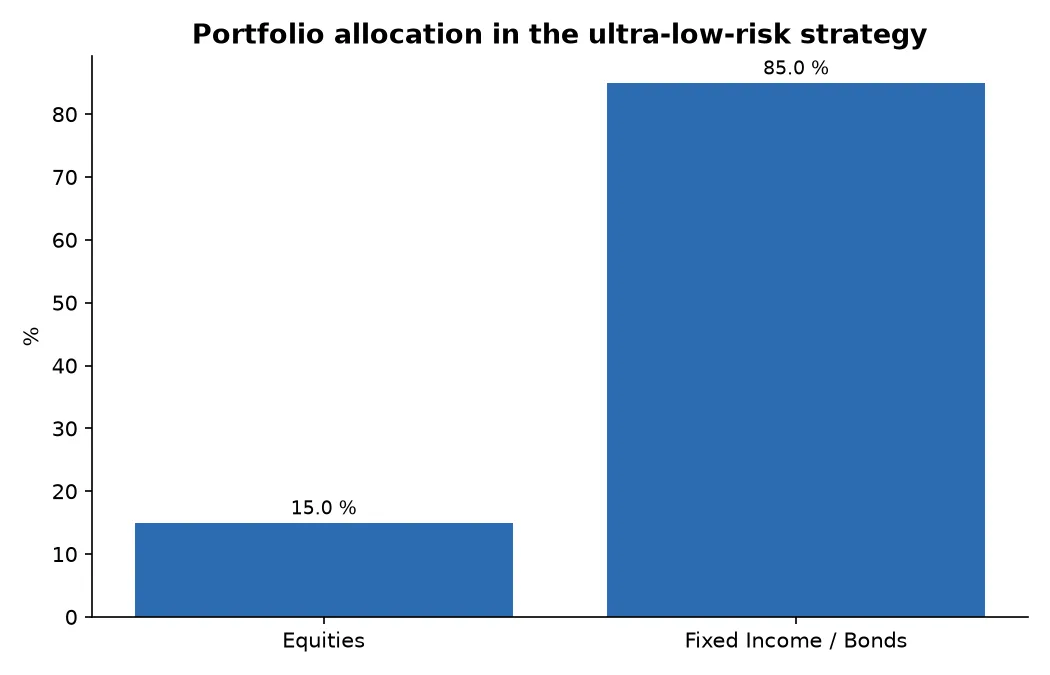



Why the 15/85 Split Is Gaining Attention
As retirement approaches, shifting away from stocks is a common instinct. The goal is simple: protect savings, generate predictable income, and sleep well at night. But « safe » doesn’t always mean « smart » over a retirement that could last three decades.
Bonds: The Backbone of a Low-Risk Portfolio
Investment-grade bond funds and pure Treasury funds are often the first stop for retirees. They deliver competitive yields without the hassle of tracking individual maturity dates. For those with specific spending needs, a Treasury ladder — splitting money across 1-, 2-, and 3-year Treasuries — provides predictable cash flow each year as each rung matures.
Municipal Bonds: Tax Savings With Trade-Offs
For retirees in higher tax brackets, municipal bonds can be attractive because their interest is exempt from federal tax — and often state tax too. However, the interest still counts toward MAGI for IRMAA surcharge calculations, and these bonds typically offer lower headline yields with thinner liquidity than Treasuries.
Annuities, TIPS, and I-Bonds: Filling the Gaps
For the extremely risk-averse, an immediate annuity guarantees lifetime income in exchange for locking up principal — but fees can be steep and inflation protection is often weak. Meanwhile, TIPS adjust principal for inflation, and I-bonds adjust their rate (capped at $10,000 per person annually). Both help fight the silent eroder of a « safe » retirement: rising prices.
The Inflation Risk Nobody Wants to Talk About
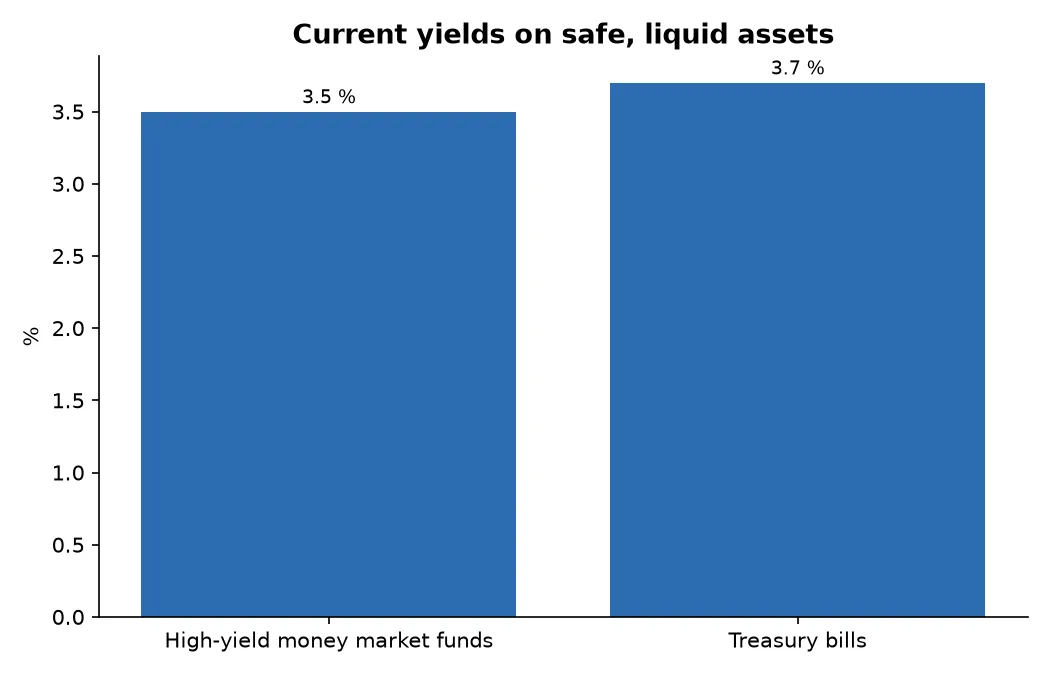
High-yield money market funds are yielding around 3.5%, and Treasury bills hover near 3.7% — both solid places to stash one to two years of living expenses. But locking up 85% of a portfolio in fixed-rate assets leaves retirees exposed to inflation over time. A 15% equity allocation may feel scary, but eliminating stocks entirely carries its own long-term cost.
The Bottom Line
The right mix depends on spending needs, tax situation, and time horizon. Working with a planner helps translate these options into a portfolio that actually fits your life — not just a theoretical risk profile.