

The End of the ‘Heads-Down’ Tourist
For many travelers, the joy of discovery is often interrupted by a digital barrier. It is a common sight in museums and historic landmarks: visitors walking with their heads bowed, eyes glued to a smartphone screen, frantically matching room numbers to digital lists. This behavior, while informative, creates a disconnect between the traveler and the very environment they came to explore.
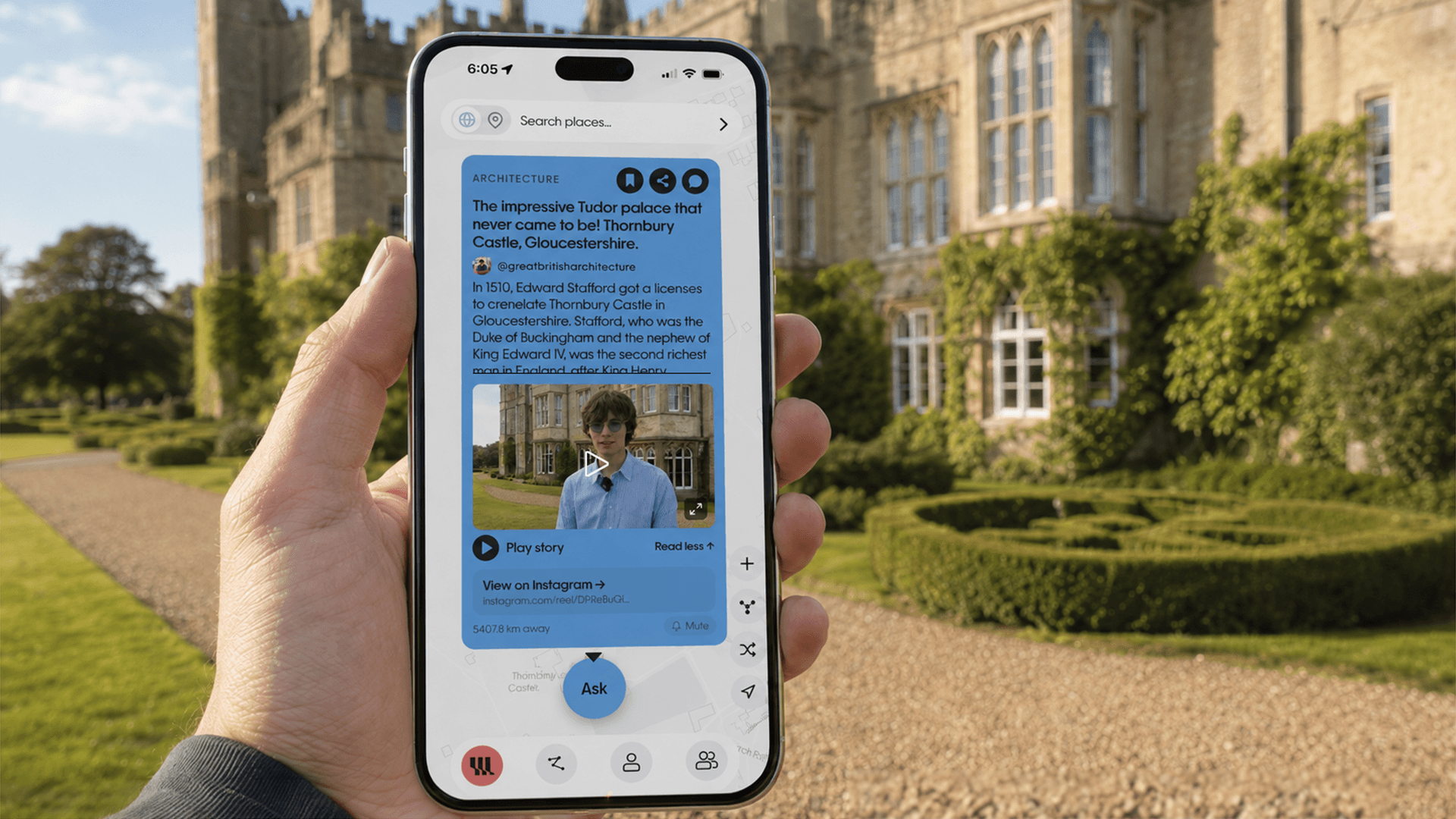
A new technological approach is aiming to solve this friction. By leveraging advanced location tracking and artificial intelligence, new mobile applications are transforming how we interact with our surroundings. Instead of staring at a screen, users can now receive immersive, audio-based storytelling that activates automatically as they move through a space.
An AI-Driven Audio Guide in Your Pocket
The core innovation lies in the ability to turn a smartphone into a sophisticated, hands-free tour guide. By utilizing real-time GPS data, these platforms can detect exactly where a user is standing and instantly trigger relevant historical narratives or local lore. This turns a simple walk through a neighborhood or a visit to a landmark into a rich, multi-sensory experience.
The technology goes beyond simple playback. Modern AI integration allows for interactive exploration. Imagine walking past a famous monument and being able to ask, « How was this structure built? » and receiving an immediate, spoken response. This conversational layer makes the learning process feel organic rather than scripted.
From Global Landmarks to Local Memories
While the technology is a game-changer for international tourism, its potential extends much further than just visiting foreign countries. The platform is designed to serve a dual purpose:
- Global Discovery: Navigating complex historical sites in different countries with professional-grade insights.
- Personal Legacy: Creating digital time capsules by attaching personal photos, videos, and voice recordings to specific locations, such as a childhood home or a significant meeting spot.
This personal dimension allows users to build a private map of their own life’s milestones, preserving memories tied to specific geographic coordinates for future generations.
A New Business Model for Cultural Institutions
The evolution of this technology also offers a significant opportunity for the tourism and hospitality sectors. Rather than investing in expensive, standalone mobile apps that users may only download once, museums, universities, and hotels can integrate their content into existing global platforms.
By providing high-quality historical data and curated experiences, these institutions can reach a wider audience. The ecosystem is also opening doors for creators and local businesses to build sponsored, location-based guides, creating a new revenue stream through integrated bookings and reservations.
The Future of Urban Exploration
The ultimate goal is to make location-aware storytelling a standard part of how we navigate the world. Whether it is a student walking across a university campus, a commuter noticing the history of a local building, or a family exploring a botanical garden, the aim is to foster curiosity and deepen our connection to the places we inhabit.