

A Growing Crisis in Self-Custody Security
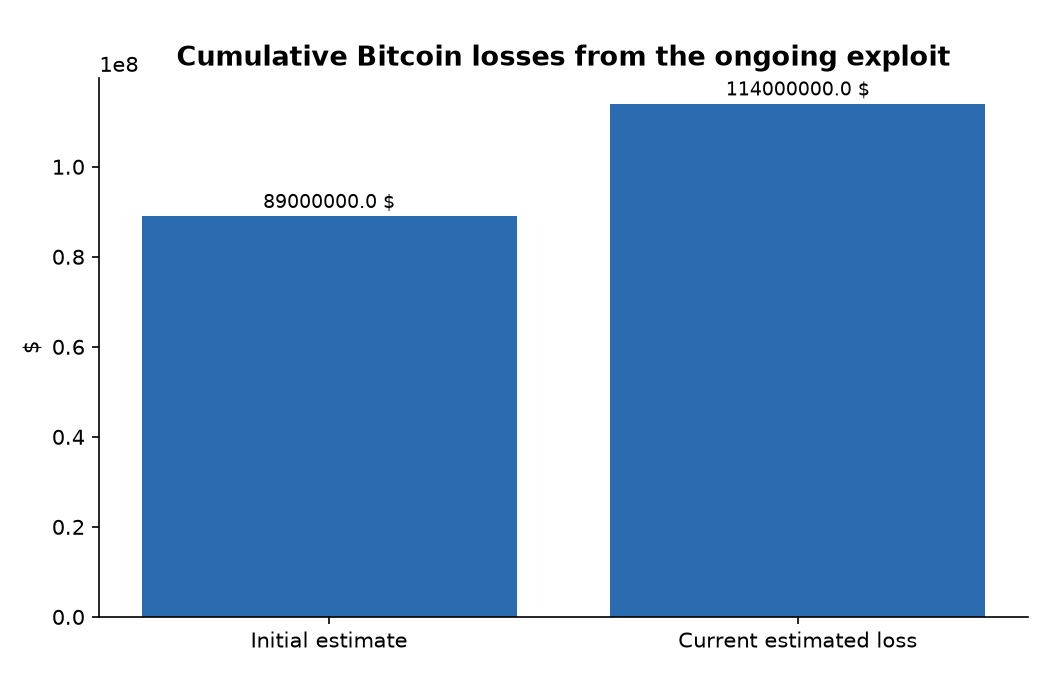
A critical vulnerability in hardware wallet firmware has triggered an urgent security crisis for Bitcoin holders. Recent data indicates that the ongoing exploit has already resulted in losses totaling approximately $114 million. The threat remains active, with attackers continuing to target specific wallets in waves of coordinated theft.
The breach is not a theoretical risk; it is an active operation. Recent observations show that a single wave of attacks recently swept through hundreds of addresses, adding millions of dollars to the cumulative total of stolen assets. The scale of the loss has escalated from an initial estimate of $89 million to the current figure of $114 million.
The Root Cause: Entropy and Firmware Flaws
The vulnerability stems from a flaw in how certain firmware versions generate the ‘eed’—the master key that controls a user’s funds. At the heart of secure hardware wallets is the concept of entropy, or randomness. If the randomness used to create a seed is insufficient, an attacker can mathematically guess the key and regenerate it, allowing them to drain the wallet without physical access to the device.
This specific flaw appears to trace back to code that has been present in certain firmware versions since 2021. The issue is most pronounced in configurations where a single key controls funds without requiring a second layer of approval, making the funds highly susceptible to being ‘wept’ by attackers once the key is compromised.
Who is at Risk?
The danger is confined to specific hardware models and firmware versions. If you use any of the following, you must take immediate action:
- Mk3 owners: If your wallet was set up using firmware version 4.0.1 or later, your funds are at risk.
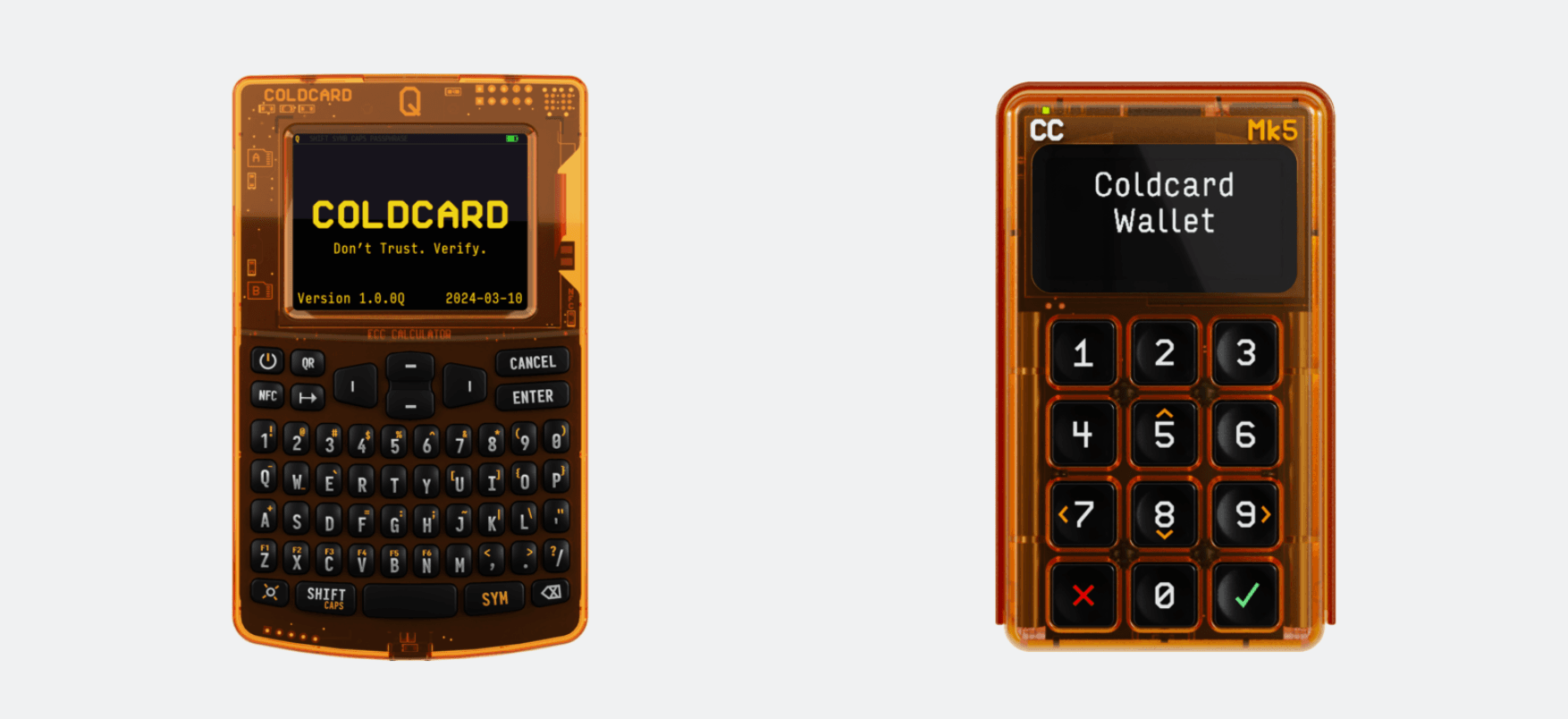
- Mk4, Mk5, and Q owners: If you are running firmware versions below 5.6.0 or 1.5.0Q, you must update and migrate.
Crucially, users who utilized the physical dice option for seed generation—manually entering results from at least 50 physical rolls—are reportedly safe, as their keys were not generated using the flawed software-based randomness.
Securing Your Digital Assets
To mitigate the risk, security experts recommend a strict migration protocol. It is not enough to simply update the software; users must follow these steps to ensure total safety:
- Upgrade your device to the latest secure firmware.
- Generate an entirely new seed phrase using a verified secure method.
- Carefully transfer all funds from the old wallet to the new, secure wallet.
While this incident highlights a failure in specific implementation, experts emphasize that self-custody remains a fundamental principle of Bitcoin ownership. The alternative—leaving funds on centralized exchanges—essentially turns ownership into a mere ‘IOU,’ as users do not have direct control over their private keys.