


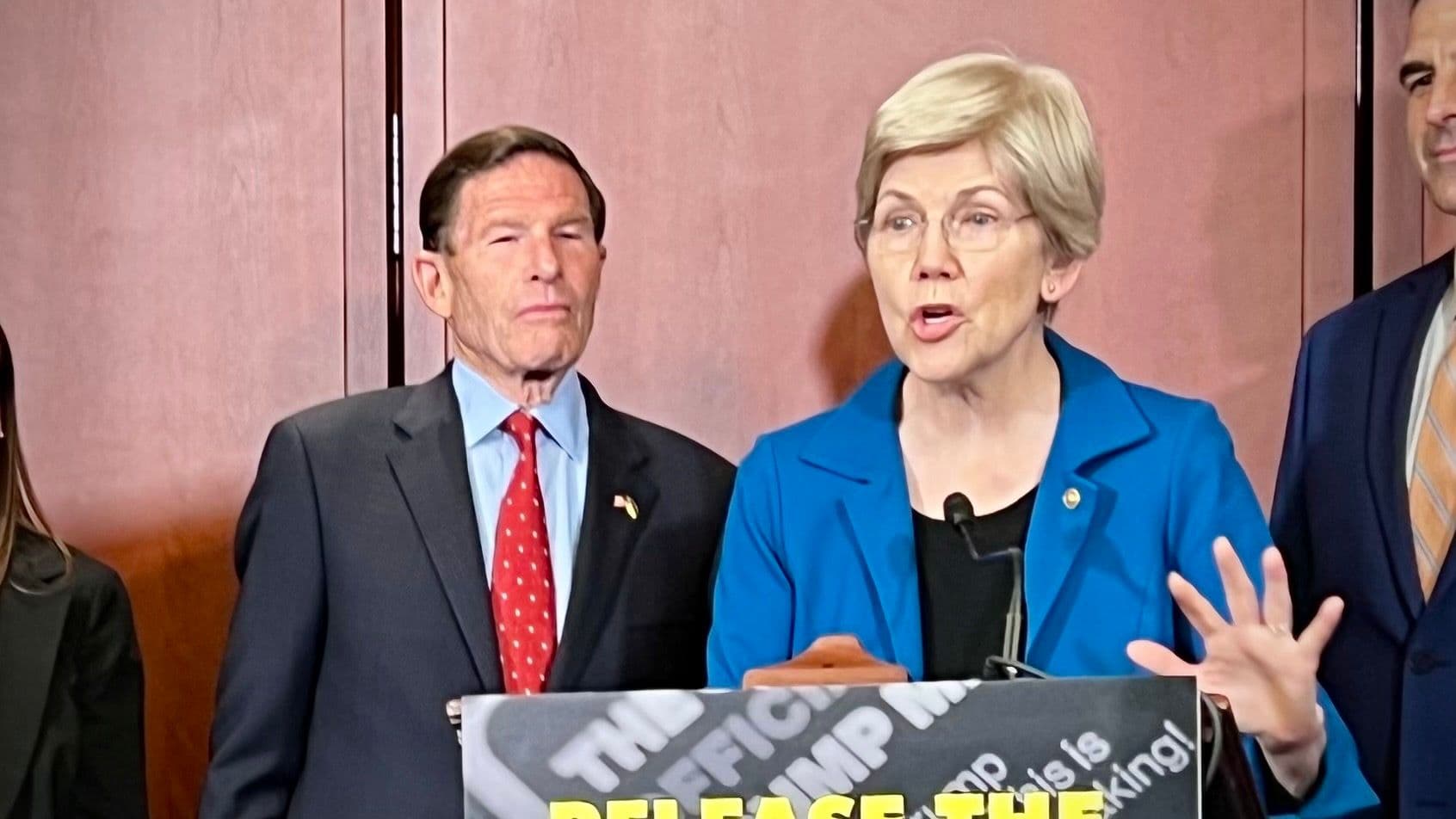
The Stagnation of Transparency Legislation
Efforts to pass comprehensive disclosure laws, designed to bring much-needed clarity to complex financial and digital asset markets, have reached a standstill. While these legislative frameworks aim to protect investors by mandating stricter reporting requirements, they are currently caught in a political deadlock. The primary obstacle is not the technical content of the laws themselves, but rather the growing debate over the ethical implications for high-ranking political figures.
Ethics and Regulatory Oversight
The intersection of political influence and financial regulation has become a central point of contention. Recent calls for federal investigations into the potential conflicts of interest involving prominent political figures have shifted the legislative focus. These investigations seek to determine whether personal assets and political positions create unfair advantages or influence the direction of regulatory agencies.
As these ethical inquiries proceed, the legislative process for transparency acts remains frozen. This delay has significant implications for the digital asset sector, where clear rules of engagement are desperately needed to foster institutional confidence and consumer protection. The tension between ensuring political accountability and implementing necessary market regulations has created a vacuum that leaves many industry participants in a state of uncertainty.
The Impact on Market Stability
For investors and market participants, the delay in passing these clarity-focused laws is far from a neutral event. The absence of a standardized regulatory framework creates a fragmented landscape, making it difficult for businesses to operate across different jurisdictions with certainty. Furthermore, the focus on political ethics rather than technical regulatory standards risks delaying crucial protections for retail investors.
- Increased Uncertainty: The lack of clear legislative direction makes long-term planning difficult for tech and finance firms.
- Regulatory Lag: As markets evolve, the inability to pass updated disclosure laws leaves gaps in oversight.
- Public Trust: The ongoing debate over political ethics may further erode public confidence in the fairness of financial institutions.
As the political landscape shifts, the pressure on regulatory bodies to act independently and transparently will only increase. The resolution of these ethical questions will likely dictate the pace at which financial transparency becomes a reality in the modern era.