

The Latency Problem in AI Conversations
One of the biggest hurdles in AI-driven customer service is the ‘unnatural pause.’ Current Large Language Models (LLMs) typically require a full prompt to be processed before they begin generating a response. While this delay is negligible in text-based chats, it creates a jarring, mechanical experience during voice interactions.
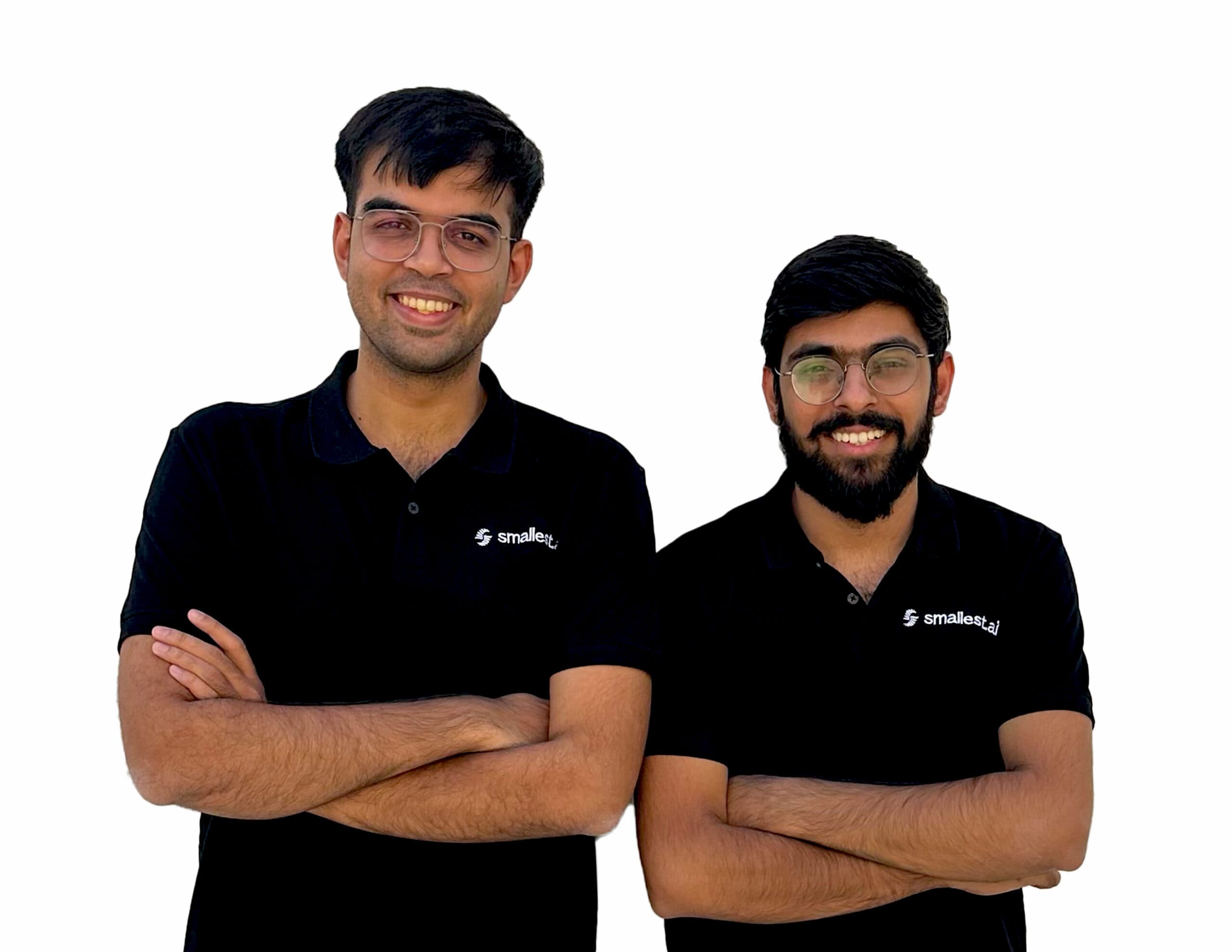
Smallest.ai, a startup launched in late 2024, is tackling this problem by moving away from massive, general-purpose models. Instead, the company is building specialized, lightweight models designed to mimic the human cognitive process: listening, processing, and speaking simultaneously.
A Dual-Model Strategy for Seamless Interaction
The company’s technical approach relies on a sophisticated two-tier architecture. According to CEO Sudarshan Kamath, the future of AI agents lies in the synergy between two distinct types of models:
- Small Voice Models: These act as a real-time intelligence layer, handling the nuances of conversation—such as accents, diverse languages, and noisy environments—with virtually zero lag.
- Large Foundational Models: When a query exceeds the specialized model’s knowledge base, the system seamlessly hands the task off to a larger LLM, mimicking the way a human might say, « Let me check that for you, » to buy time for research.
Targeting the Enterprise Market
Unlike competitors such as ElevenLabs or Cartesia, which often focus on audio production like dubbing or podcasting, Smallest.ai is laser-focused on real-time enterprise applications. The goal is to provide a plug-and-play voice layer for customer support companies.
By specializing in the voice component, Smallest.ai allows other AI startups to focus on their core business logic without the massive distraction of building complex, low-latency audio technology from scratch. The startup already boasts high-profile clients including RingCentral and Truecaller, with a roadmap that extends to major players in the automated support space.
The Goal: Indistinguishable AI
The ultimate ambition for Smallest.ai is to achieve a level of sophistication that passes the Turing test in a conversational setting. « You should speak to our model and not know it’s AI or human, » says Kamath. As the company moves forward with its $21 million in total funding, the industry watches to see if specialized, smaller models will indeed become the gold standard for human-machine interaction.