

The Growing Gap Between Savings and Debt
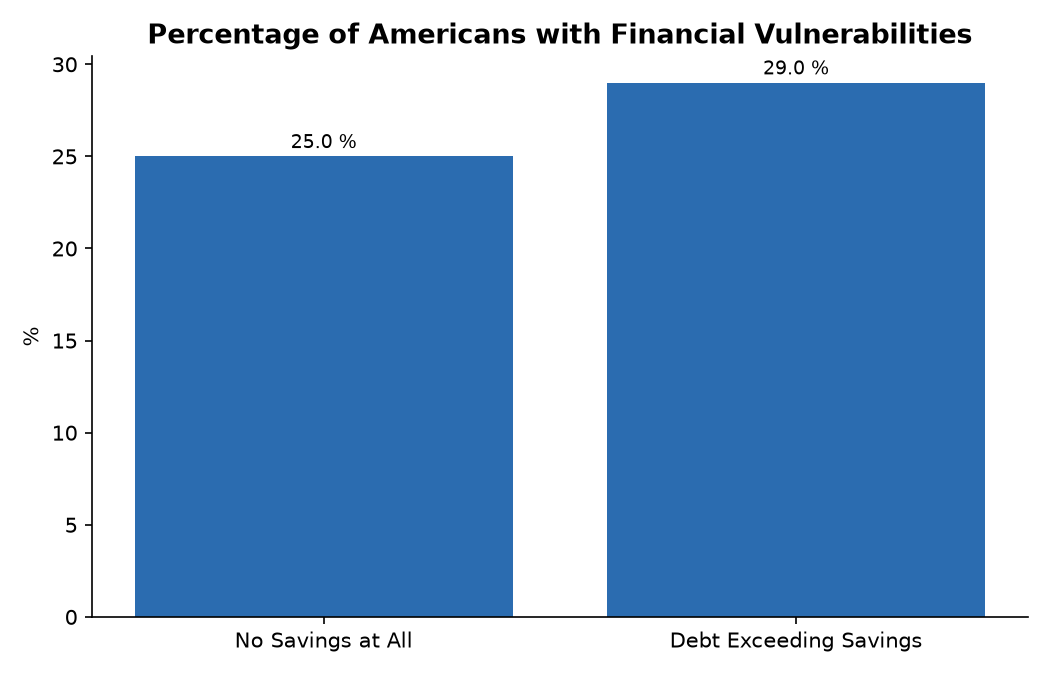
In an era of persistent economic uncertainty, many people are finding it increasingly difficult to maintain a financial cushion. Recent data highlights a concerning trend: nearly 25% of the population has no savings at all, while approximately 29% of individuals carry more credit card debt than they have in total savings. This imbalance leaves a significant portion of the population vulnerable to even minor financial shocks.
Breaking the Myth of the ‘Large Lump Sum’
A common misconception that prevents people from starting a safety net is the belief that an emergency fund must consist of thousands of dollars from day one. This perspective can be overwhelming and often leads to procrastination.
In reality, financial security is built through incremental habits rather than sudden windfall deposits. Even a modest amount—a few hundred dollars—can serve as a vital buffer for common unexpected costs, such as:
- Minor vehicle repairs
- Broken household appliances
- Spikes in monthly utility bills
When these expenses arise without a dedicated fund, they often end up on high-interest credit cards, creating a debt cycle that lasts much longer than the original emergency.
The Power of Automated Savings
One of the most effective strategies to build a fund is to remove the element of human willpower. Relying on what is ‘left over’ at the end of a month is often unsuccessful because, in many cases, there is nothing left. Instead, experts suggest a ‘ave first, spend later’ approach.
By automating a monthly transfer to your savings account immediately after receiving your paycheck, you treat your emergency fund as a non-negotiable priority. This automation does two things: it ensures consistency and it removes the emotional temptation to spend ‘extra’ money on non-essential items like entertainment or luxury goods.
Maximizing Returns with High-Yield Accounts
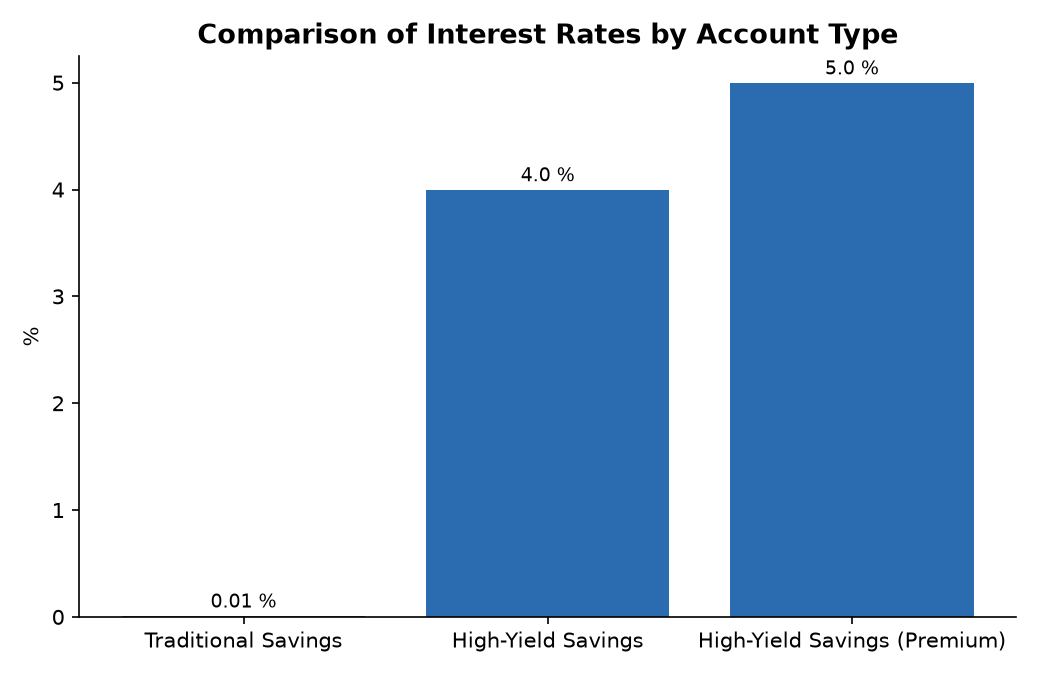
While liquidity is essential—meaning you need to be able to access your money quickly without penalties—you shouldn’t settle for the lowest possible returns. Traditional savings accounts often offer negligible interest rates, but there are better alternatives.
High-yield savings accounts or money market accounts can offer significantly better returns. For instance, while a standard account might offer a fraction of a percent, high-yield options can offer rates exceeding 4% or even 5%. This means your money works for you, growing through compound interest even during months when you cannot make additional contributions.
Strategic Steps to Success
To avoid feeling overwhelmed, shift your focus from long-term, massive goals to small, achievable milestones. Breaking your savings journey into manageable increments makes the process sustainable. Remember, financial stability is rarely the result of dramatic lifestyle changes; it is the result of consistent, small actions that eventually become permanent habits.