

Rising Energy Costs Drive Inflation Upward
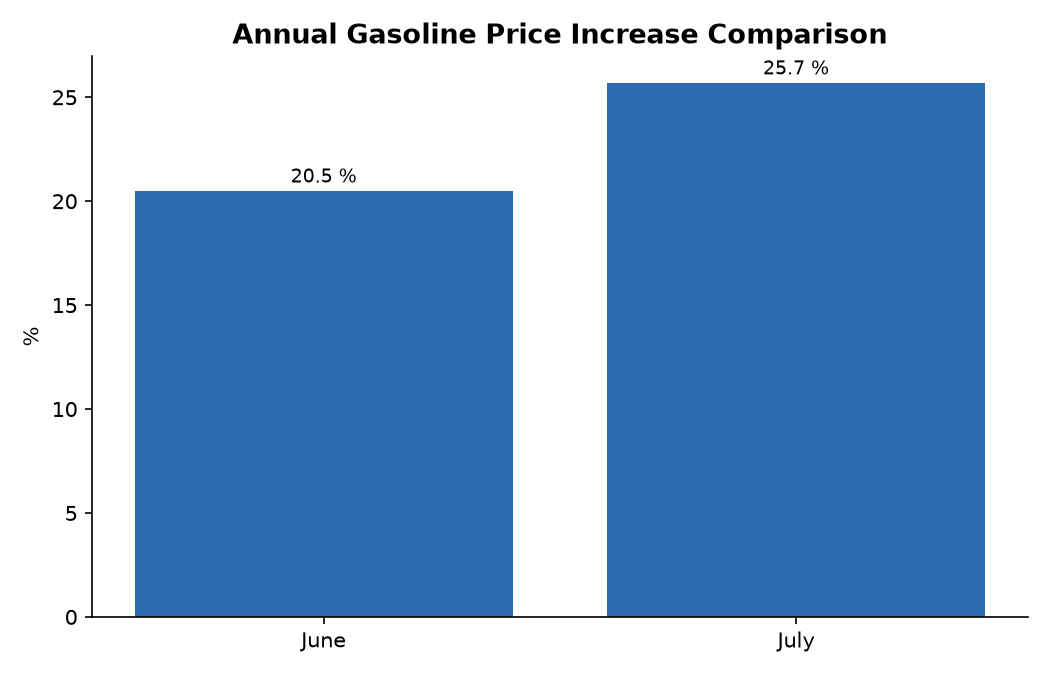
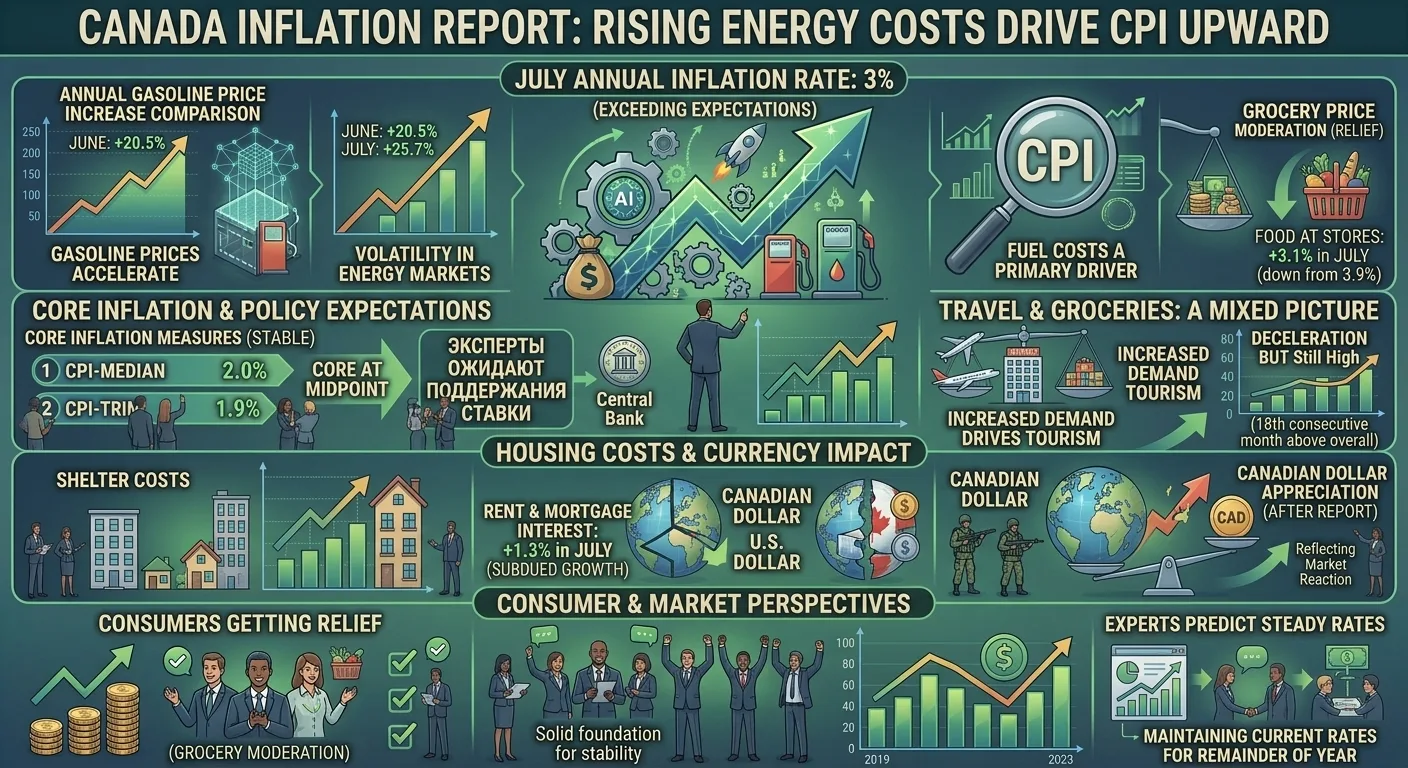
Recent economic data reveals that Canada’s annual inflation rate reached 3% in July, slightly exceeding market expectations. This increase is largely attributed to the volatility in energy markets, where gasoline prices saw a significant jump, accelerating from a 20.5% increase in June to 25.7% in July.
The surge in fuel costs has once again become a primary driver of the Consumer Price Index (CPI), complicating the path for monetary policy decisions in the coming months.
Core Inflation Remains Stable
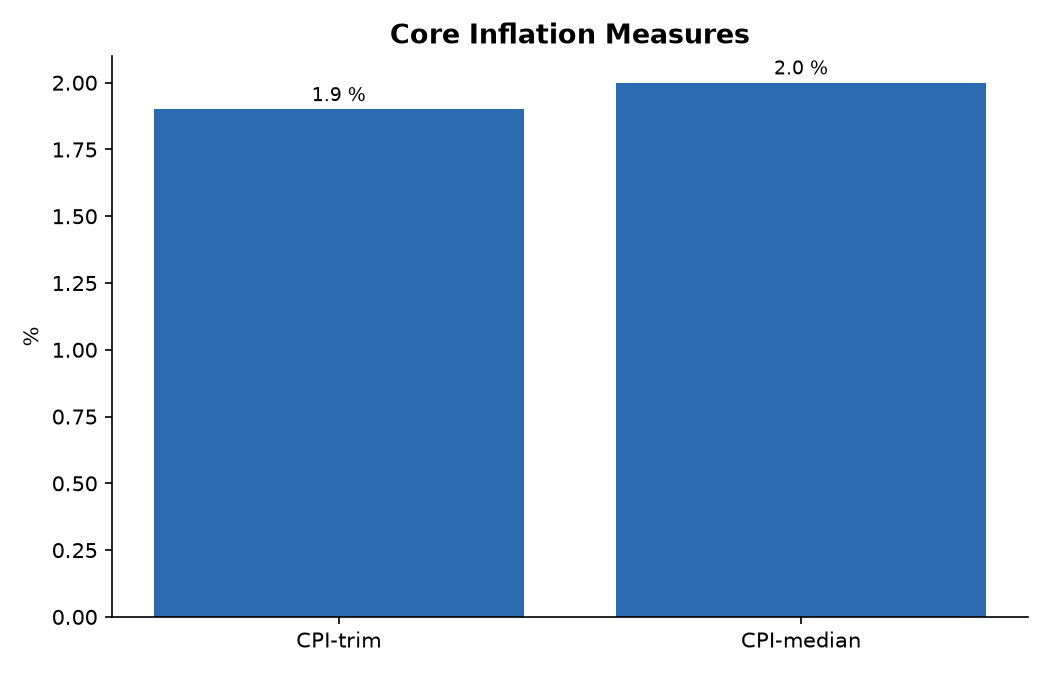
While the headline inflation rate has hit the ceiling of the central bank’s 1% to 3% target range, underlying inflation metrics suggest a more stable trend. Core inflation measures, which strip out more volatile components, remained steady compared to the previous month:
- CPI-median: 2.0%
- CPI-trim: 1.9%
Because these core figures are hovering around the 2% midpoint of the target range, many financial experts anticipate that the central bank will maintain its current interest rate levels for the remainder of the year.
Travel and Groceries: A Mixed Picture
Beyond energy, the cost of travel tours contributed to the upward pressure on prices. Increased demand for flights and hotel accommodations, particularly for major international sporting events in the United States, has driven up tourism-related expenses.
In contrast, the pace of grocery price increases has begun to moderate, providing some relief to consumers. Food purchased in stores rose by 3.1% in July, down from 3.9% in June. Despite this deceleration, it marks the 18th consecutive month where food inflation has remained higher than the overall inflation rate.
Housing and Currency Impact
Shelter costs, encompassing both rent and mortgage interest, continue to show relatively subdued growth, increasing by 1.3% in July. Following the inflation report, the Canadian dollar saw a slight appreciation against the U.S. dollar, reflecting market reactions to the updated economic data.