

Market Volatility Driven by Geopolitical Instability
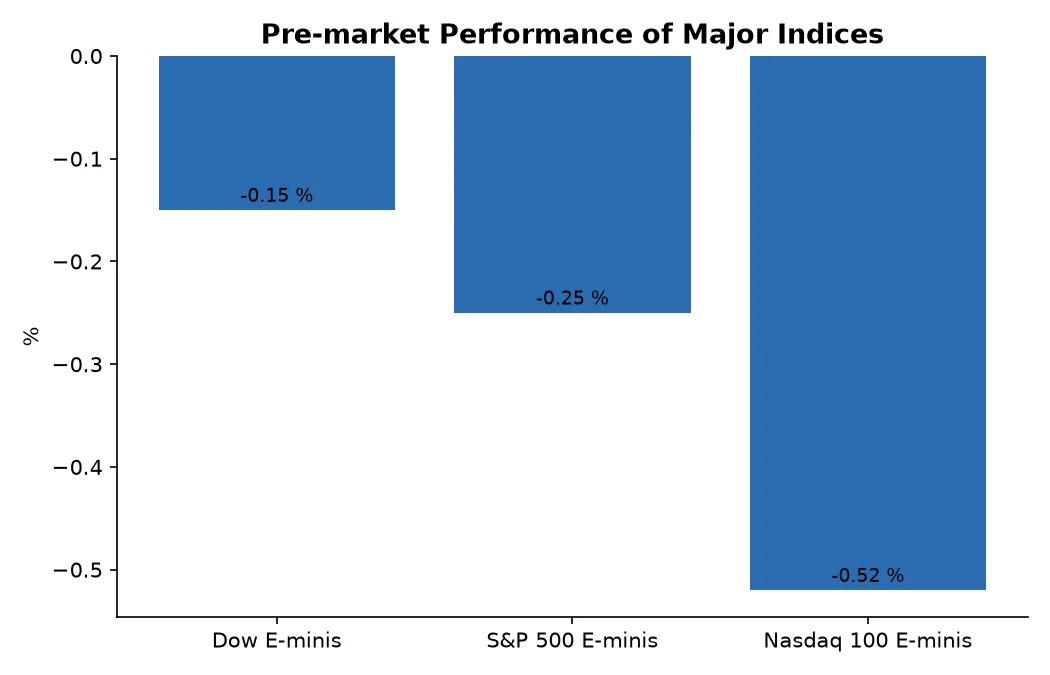
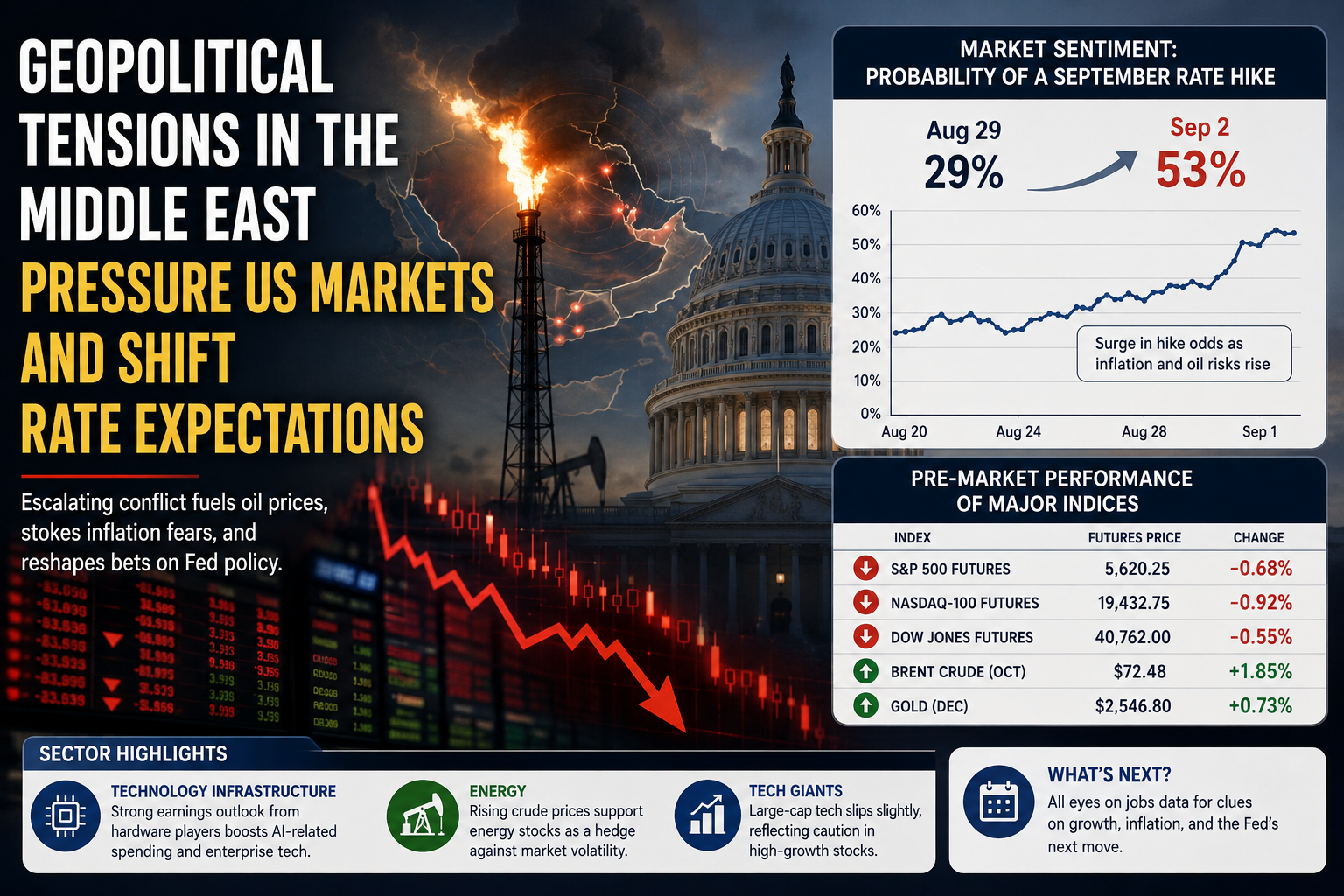
U.S. equity futures faced downward pressure during early trading as renewed hostilities in the Middle East disrupted recent market stability. The sudden escalation in regional tensions has not only spooked investors but has also revitalized concerns regarding global inflation, particularly through the potential for rising energy costs.
As geopolitical risks rise, the cost of Brent crude has begun to climb, a move that historically signals increased inflationary pressure for both consumers and corporations. This environment creates a challenging landscape for equities, as the combination of rising energy costs and increased uncertainty often leads to a flight toward safer assets.
The Tug-of-War Over Interest Rates
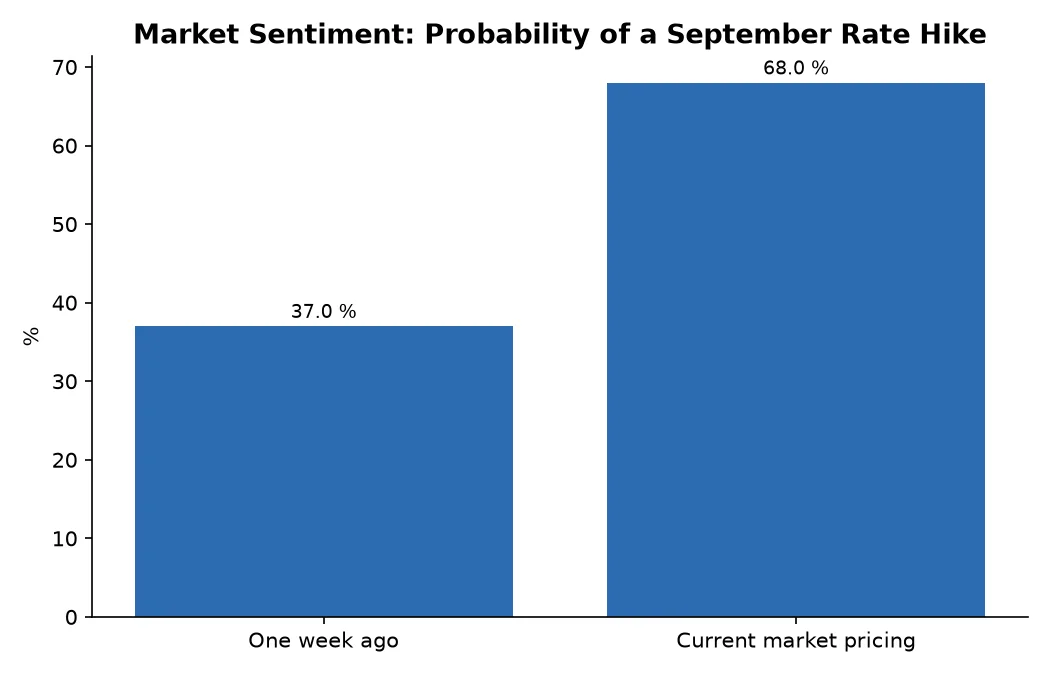
The geopolitical shift is directly impacting how traders view the Federal Reserve‘s next moves. With the potential for higher oil prices to fuel inflation, market participants are rapidly adjusting their bets on upcoming interest rate decisions. Recent data shows a significant surge in the perceived probability of a rate hike this September.
However, the central bank faces a complex dilemma. While rising inflation might necessitate higher rates to cool the economy, a simultaneous slowdown in economic growth—driven by increased costs—could make aggressive tightening a risky maneuver. This ‘policy bind’ keeps investors on edge as they await further economic indicators.
Seasonal Trends and Sector Performance
Beyond the immediate geopolitical news, markets are also grappling with historical seasonal patterns. Historically, September has proven to be a difficult month for the stock market, often recording the only average negative return of the year. This seasonal weakness is compounding the current anxiety felt by traders.
Despite the broader downturn, certain sectors are showing resilience:
- Technology Infrastructure: Upbeat profit forecasts from major hardware players have boosted sentiment around AI-related spending, lifting some enterprise tech stocks.
- Energy: As crude prices move higher, major energy corporations are seeing modest gains, acting as a hedge against broader market volatility.
- The Tech Giants: Large-cap technology leaders have seen slight declines, reflecting a general cautiousness in the high-growth sector.
All eyes now turn to the upcoming employment data, which will provide critical clues on whether the economy is cooling too quickly or remaining robust enough to handle potential interest rate adjustments.