

Bridging the Gap Between Software and Biology
For decades, the pace of innovation in the biological sciences has struggled to keep up with the rapid advancements seen in the software industry. A primary reason for this lag is the ethical and practical difficulty of conducting real-world experiments. Scientists often have to rely on animal models or simplified cell cultures, which frequently fail to replicate the complex behavior of actual human organs.
A burgeoning startup is attempting to break this bottleneck by combining high-tech AI modeling with a unique biological approach: using real, living human skin that would otherwise be discarded during medical procedures. This method allows for a level of precision in testing that was previously impossible without human subjects.
The Power of Long-Term Tissue Viability
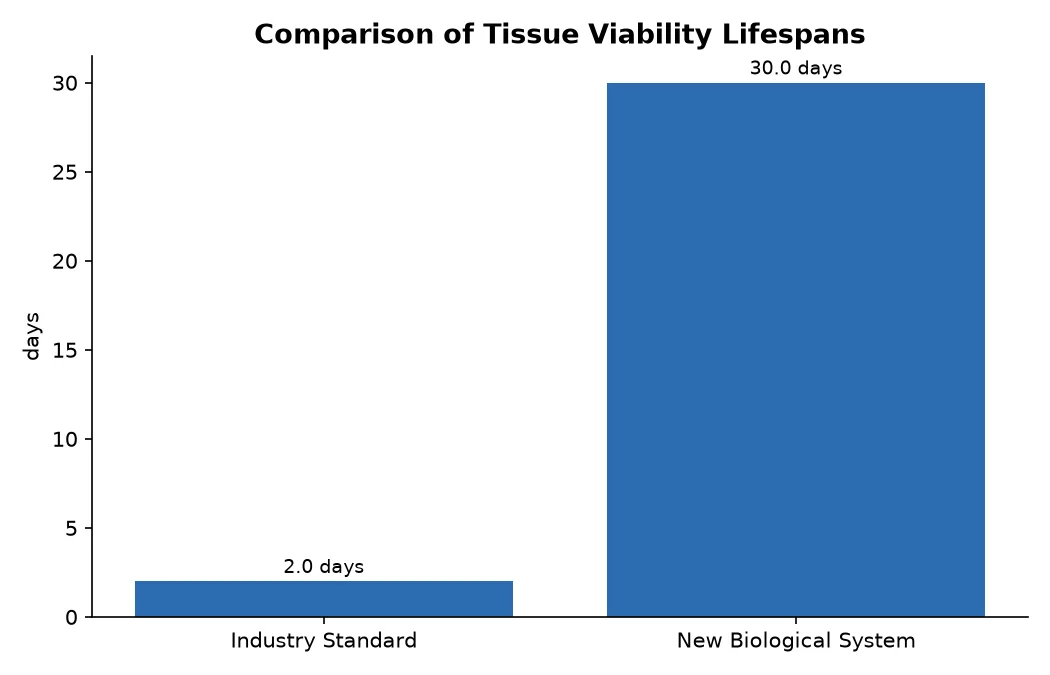
In traditional laboratory settings, the lifespan of harvested tissue is measured in mere days. While this is sufficient for testing immediate toxicity, it is inadequate for studying long-term biological processes such as collagen remodeling, pigmentation changes, or skin barrier repair—processes that naturally take weeks in a human body.
By implementing a proprietary nutrient-delivery and waste-removal system, researchers can now keep human skin tissue viable for up to a month. This extended window allows scientists to observe how skin responds to stressors, such as UV damage, and track the entire inflammatory and recovery cycle in real-time. This provides a much more accurate data set than any synthetic alternative currently available.
An AI-Driven Feedback Loop
The true magic happens when this biological data is fed into an artificial intelligence model. The process operates as a self-improving loop:
- Prediction: An AI model analyzes existing data to predict which untested chemical compounds might benefit specific skin functions.
- Validation: These predicted compounds are applied to the living tissue in a controlled environment.
- Refinement: The results—whether the prediction was accurate or not—are fed back into the AI, constantly sharpening its predictive capabilities.
This closed-loop system has drastically increased the speed of discovery. Instead of relying on slow, manual searches through scientific literature, the company is now able to generate new candidate ingredients approximately every six weeks.
A New Business Model for Beauty and Pharma
Rather than launching a consumer-facing brand, the strategy focuses on the high-value B2B market. By identifying promising cosmetic ingredients and ensuring they meet international safety standards, the company can license these discoveries to major beauty and pharmaceutical giants. This approach allows established brands to integrate cutting-edge, scientifically validated ingredients into their existing product lines more efficiently.
As the intersection of AI and biotechnology continues to mature, the ability to simulate human biology with high fidelity will likely become the gold standard for drug and cosmetic development, moving the industry away from guesswork and toward true predictive science.