


Industrial Strength: The Backbone of the AI Revolution
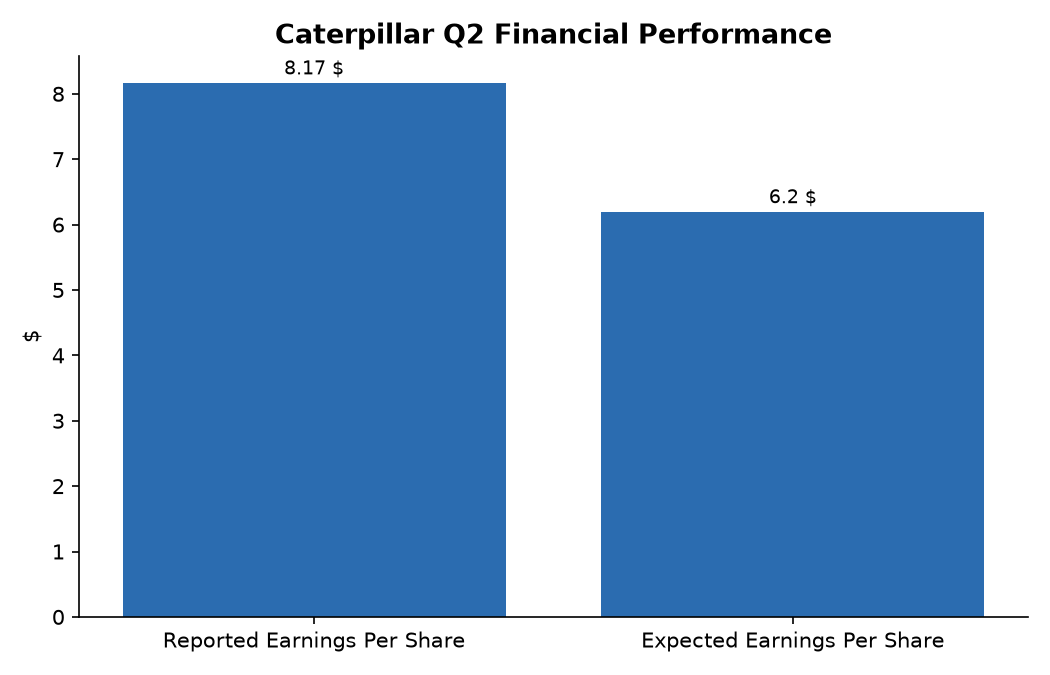
As the digital economy expands, the demand for physical infrastructure is creating a massive windfall for industrial giants. Caterpillar has recently demonstrated this trend with a stellar second-quarter performance that surpassed market expectations on both the top and bottom lines.
The heavy equipment manufacturer reported earnings of $8.17 per share, a significant jump compared to the previous year. This growth was supported by a 24% increase in total revenue, reaching $20.5 billion. Industry experts suggest that this surge is not merely driven by seasonal trends, but by the fundamental necessity of power generation and industrial machinery required to support global data center expansion.
Despite the political discourse surrounding AI, the actual driver of growth remains the physical reality of supply chains and the need for robust power equipment to sustain massive digital buildouts.
Semiconductor Growth: The Data Center Engine
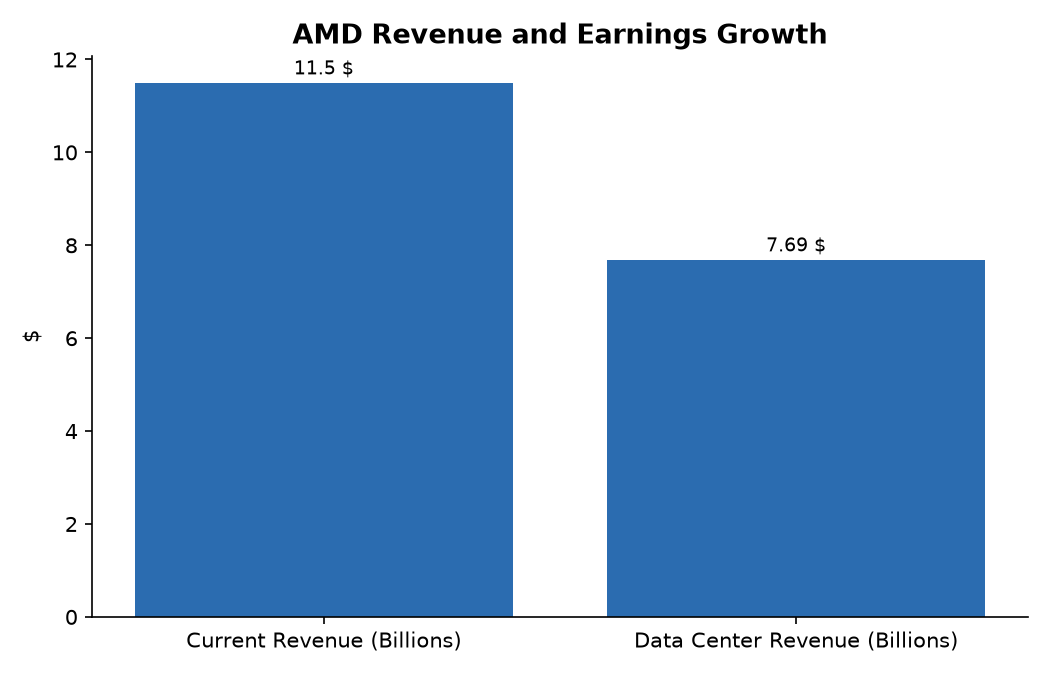
In the technology sector, the semiconductor landscape continues to be defined by the hunger for high-performance computing. Advanced Micro Devices (AMD) has shown significant momentum, driven largely by its expanding footprint in the data center market. For the recent quarter, the company reported revenue of $11.5 billion, representing a 50% increase year-over-year.
Key highlights from the semiconductor results include:
- Data Center Dominance: Sales in the data center segment more than doubled, reaching $7.69 billion.
- Earnings Growth: Earnings per share rose to $1.66, outperforming the $1.61 anticipated by market analysts.
- Strategic Positioning: Future growth is expected to be fueled by advanced GPU and CPU architectures designed for hyperscale customers.
The High Cost of Innovation: Capital Expenditure Spikes
While revenue growth remains high for emerging tech leaders, the cost of staying ahead in the AI race is becoming increasingly apparent. Recent reports from SpaceX highlight a dramatic shift in spending patterns. Although the company saw a massive 92% year-over-year increase in revenue, reaching $7.8 billion, the market reacted cautiously to its massive increase in capital expenditures.
The surge in spending—which jumped from $2.8 billion to $15.8 billion in a single year—reflects the intense capital requirements of AI development. While adjusted EBITDA has seen significant growth, the heavy investment required to maintain a competitive edge in satellite and AI technologies remains a primary focus for cautious investors.