

A Two-Pronged Approach to Scarcity
The Solana ecosystem is currently navigating a pivotal moment in its economic evolution. Two major technical proposals are being debated by validators, targeting the core mechanics of how SOL enters and leaves circulation. By addressing both issuance and destruction, these changes aim to create a tighter supply model for the network.
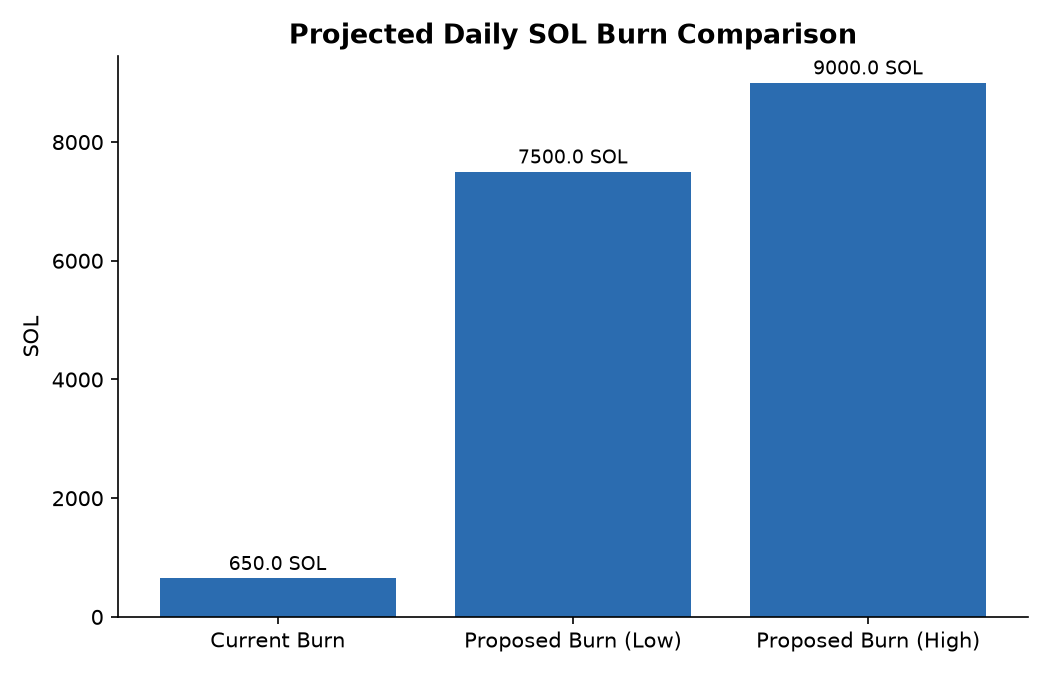
The first major initiative, known as SIMD-0553, proposes a shift toward resource-based transaction fees. Under this model, users would be charged based on the actual computational resources their transactions consume. This adjustment is expected to significantly increase the amount of SOL removed from circulation daily. Currently, the network burns approximately 650 SOL per day, but the new proposal could push that figure as high as 9,000 SOL daily.
Accelerating Disinflation
While increasing the burn rate is a key component, a second proposal (SIMD-0550) targets the supply side directly. This measure seeks to double the annual disinflation rate to 30%. If passed, this would move the point at which Solana hits its 1.5% inflation floor forward from 2032 to 2029.
The impact of these combined measures would be substantial. Reducing the issuance rate in this manner could prevent approximately 18.9 million SOL from being emitted over a six-year period. However, it is important to note that even at the highest projected burn rate of 9,000 SOL per day, the network would not become strictly deflationary immediately, as daily emissions are expected to remain higher at roughly 60,000 SOL.
The Path to a Vote
For these proposals to move from a signaling phase to an actual vote, they must clear a significant threshold of validator support. Currently, the community has reached about 38% of the required 15% threshold of staked SOL. This means validators need to signal support for an additional 39.95 million SOL before the signaling period concludes in mid-August.
The decision rests heavily on major infrastructure providers and validators. Currently, a few large entities account for a significant portion of the support gathered so far. The outcome will determine whether Solana accelerates its transition toward a more constrained economic model, potentially altering the long-term valuation dynamics of the SOL token.