


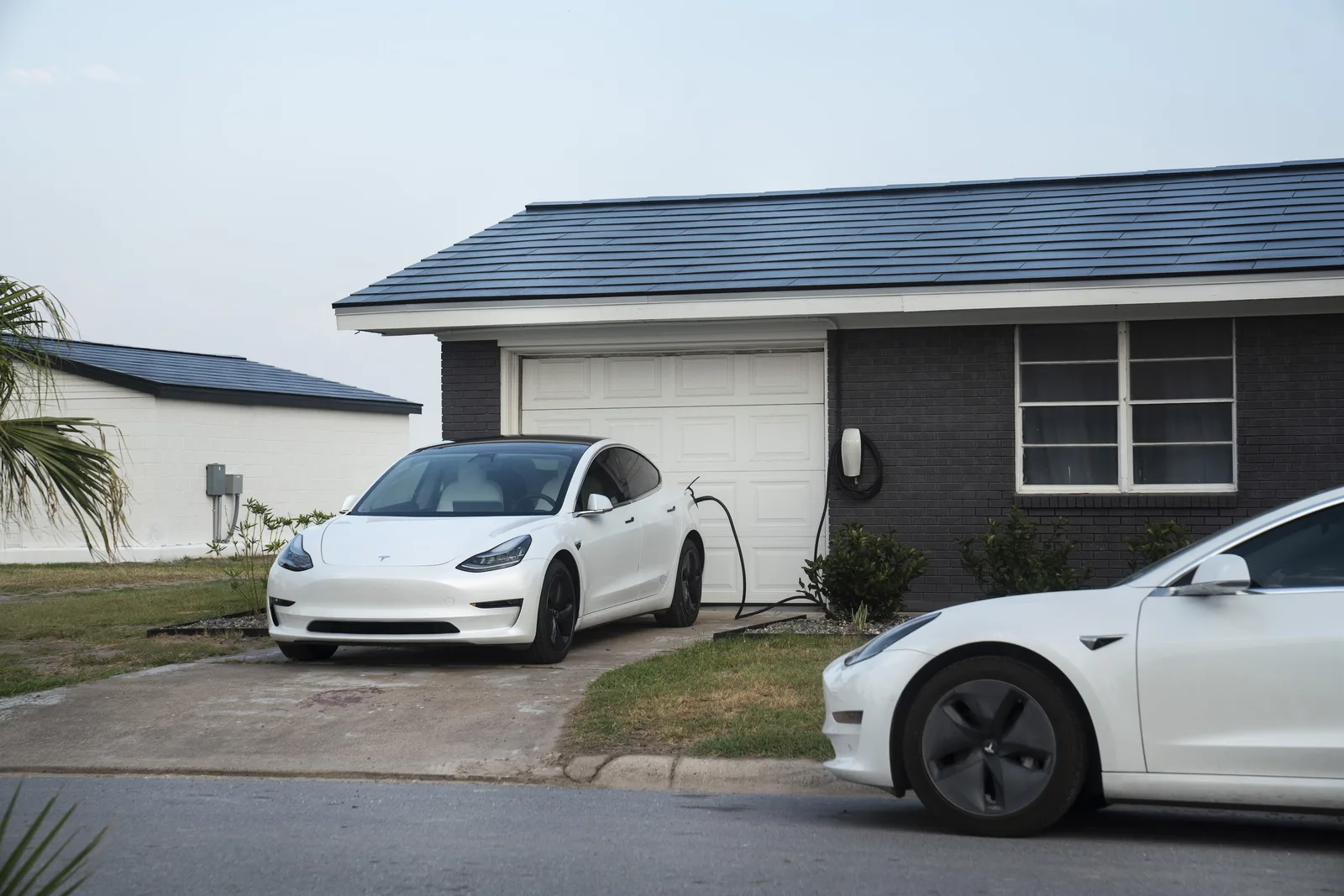
The Discontinuation of Tesla’s Solar Roof
Tesla‘s ambitious solar roof project, designed to replace conventional roofing materials with energy-generating tiles, has come to an end. The company has systematically eliminated public-facing mentions of the product, redirecting all related pages to its standard solar offerings. This quiet withdrawal marks the failure of a venture that aimed to redefine residential solar energy by combining functionality with high-end design.
Why the Solar Roof Struggled to Gain Traction
Several factors contributed to the solar roof’s demise. Primarily, it was positioned as a luxury product, with installation costs reported to be as high as $200,000. This price point limited its appeal to a wealthy niche, especially when compared to traditional solar panels that have become increasingly affordable due to mass production. The unique design of the solar tiles required custom manufacturing, which inflated per-unit costs and prevented economies of scale. As sales fell short of expectations, the investment in specialized equipment became unsustainable.
Technical Challenges and Environmental Impact
Beyond cost, the solar roof faced significant technical hurdles. Integrated systems are more exposed to heat, which reduces solar cell efficiency. Unlike traditional panels that allow airflow for cooling, the solar roof’s design minimized gaps, leading to overheating. This resulted in underperformance, with reports of components warping or melting under intense sun exposure. The physics of photovoltaic cells dictate that voltage and efficiency decline with temperature, and the solar roof’s architecture may have exacerbated these issues, making it less reliable than promised.
Implications for the Solar Industry
Tesla’s exit from the solar roof market raises questions about the future of integrated solar solutions. While companies like GAF and Merlin Solar continue to pursue similar concepts, the failure of a industry leader underscores the difficulties of merging form and function. The industry may need to focus on cost reduction and improved cooling technologies to make solar roofs viable. Tesla’s experience serves as a cautionary tale, emphasizing that innovation must be balanced with practicality and market demand.
What Lies Ahead for Solar Energy
As Tesla pivots to conventional solar panels, the broader solar sector remains optimistic. The discontinuation of the solar roof might spur new approaches, such as advanced materials or better thermal management. Consumers interested in aesthetic solar options still have alternatives, but the path forward requires addressing the core challenges of efficiency and affordability. The solar roof’s legacy will likely influence future designs, pushing the industry toward more sustainable and effective solutions.