


The Hidden Conflict in Social Security Planning
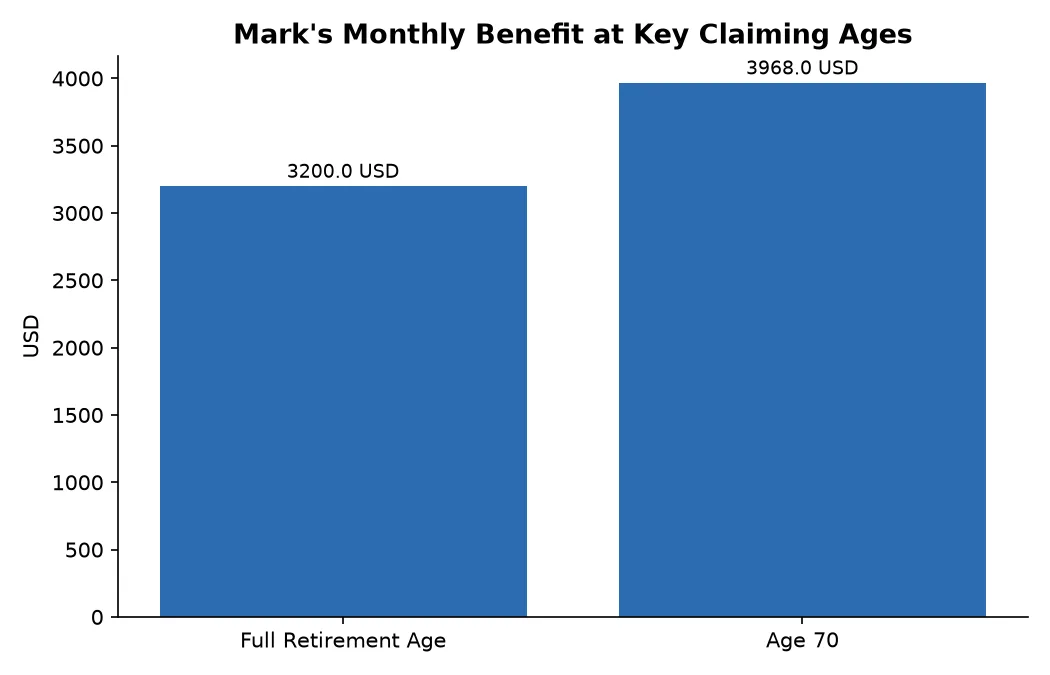
Retirement planning often reduces to a simple maxim: wait until age 70 to claim Social Security for the largest possible check. But this rule of thumb breaks down for married couples because it ignores a critical component—the spousal benefit. This benefit can provide up to 50% of the higher earner’s benefit at full retirement age, even for a spouse with little work history. Yet, it remains unclaimed by many due to a fundamental misunderstanding of how it works.
Understanding the Spousal Benefit
The spousal benefit is designed to support a partner who may have spent years out of the workforce, such as a caregiver. It ensures that the lower-earning or non-earning spouse receives a portion of the primary earner’s Social Security. However, a common pitfall is assuming that this benefit is automatically available. In reality, the spousal benefit can only be accessed once the higher earner files for their own benefits. This means that if one spouse delays filing to boost their amount, the other spouse cannot tap into the spousal benefit until that decision is made, potentially leaving years of potential income on the table.
Why the Timing Decision Is Irreversible
Social Security claiming is one of the few financial decisions with long-lasting consequences. Once you file, you generally cannot change your mind, except within a narrow 12-month window that requires repaying all benefits received. This permanence underscores why couples need to approach the decision with precise calculations rather than general advice. For instance, waiting until 70 might seem ideal, but if it means the household loses out on spousal benefits for several years, the trade-off could outweigh the gains.
Running the Break-Even Analysis
To make an informed choice, couples should calculate their break-even age—the point where delayed benefits catch up to earlier filing in total lifetime income. This age typically falls in the early-to-mid 80s, but it varies based on individual circumstances. For example, if a couple expects to live beyond that threshold, delaying might be beneficial. Conversely, if health concerns suggest a shorter lifespan, claiming earlier could be smarter, especially when considering the immediate need for spousal income.
The Survivorship Factor
Another often-overlooked aspect is what happens when one spouse passes away. The survivor does not continue to receive both benefits; instead, they keep only the larger one. This means the filing age of the higher earner directly impacts the income floor for the surviving spouse. Delaying the higher earner’s claim can provide a more substantial safety net, but it must be balanced against the household’s current income needs during the waiting period.
Practical Steps for Couples
Starting this process doesn’t require a financial advisor—just 10 minutes and both spouses’ Social Security statements. Begin by pulling each partner’s benefit estimates at ages 62, full retirement age, and 70 from the official Social Security Administration website. Then, calculate the spousal benefit by comparing 50% of the higher earner’s full retirement age benefit to the lower earner’s own benefit, opting for whichever is larger. Finally, use online tools to run break-even scenarios based on your actual numbers. This hands-on approach empowers couples to make a decision tailored to their unique situation, rather than relying on one-size-fits-all rules.
A Decision for Two
In the end, Social Security timing is not a solo endeavor. It requires open communication between partners, grounded in real data. By focusing on the spousal benefit, break-even age, and survivor implications, couples can avoid common mistakes and secure a more stable retirement. Remember, after filing, there’s no turning back—so do the math together before it’s too late.