


The Gap Between Headline and Real Returns
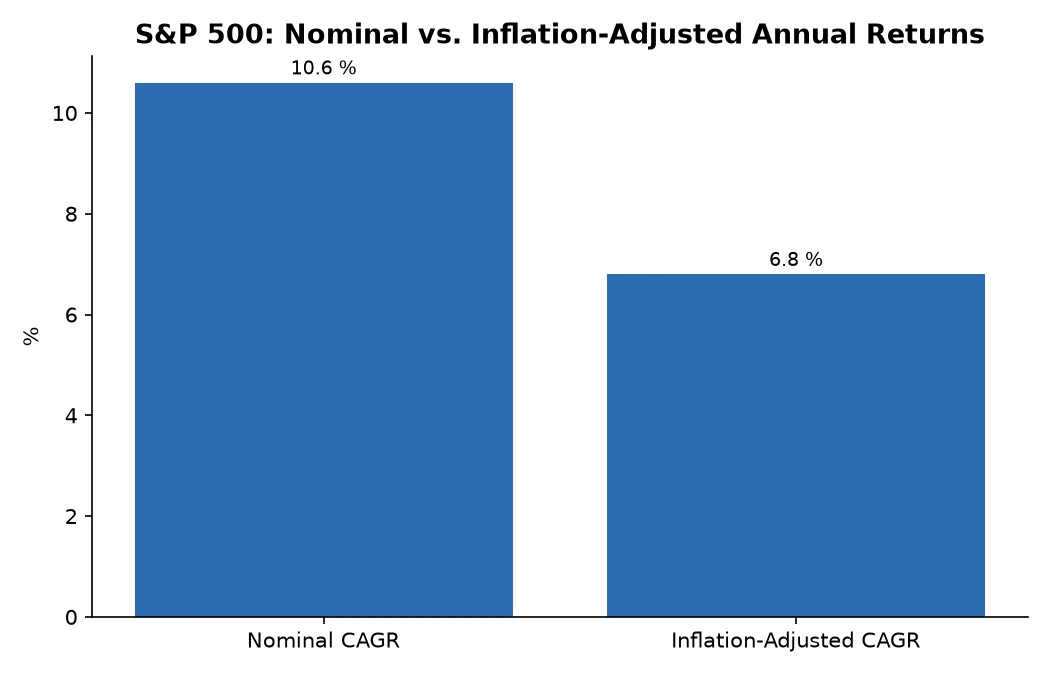
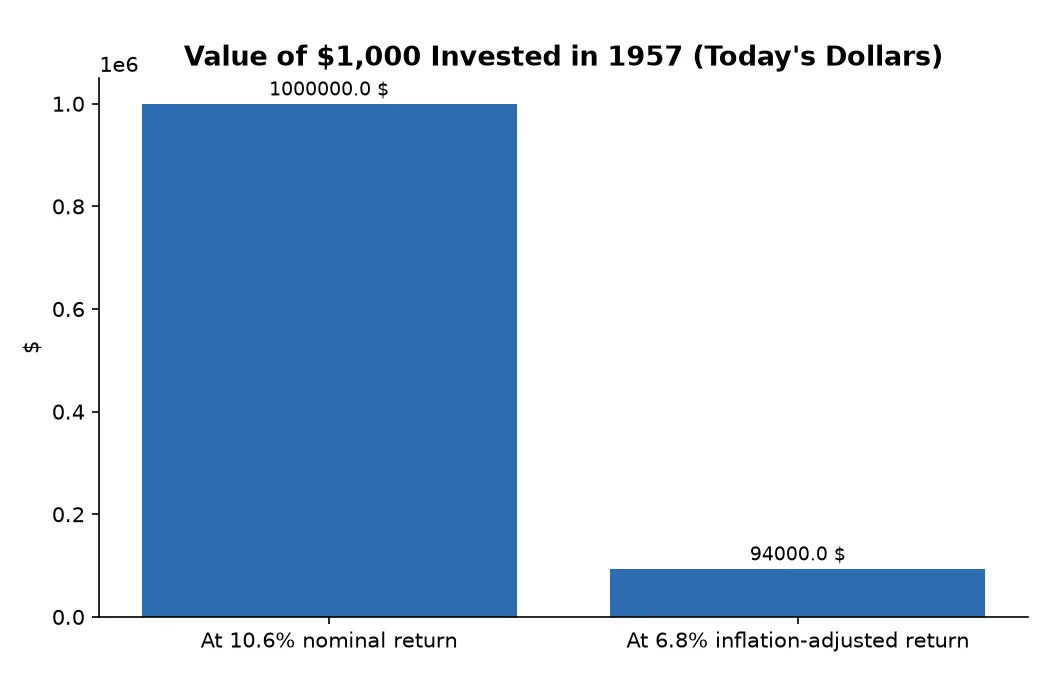
When evaluating investment performance, the numbers most commonly cited rarely tell the full story. The broad U.S. stock market has historically delivered strong nominal gains, but after accounting for rising prices, the picture changes dramatically. Even a modest gap of a few percentage points in annual returns compounds into a staggering difference over decades — turning what could be a seven-figure nest egg into something far more modest.
Why Bonds Suffer Most When Prices Rise
Fixed-income investments are often viewed as a safe harbor, but during inflationary stretches they can become a portfolio’s weakest link. As the cost of living climbs, bond yields must rise to remain attractive, and because bond prices move inversely to yields, longer-duration bonds take the biggest hit. A bond fund with a high duration rating can lose a significant portion of its value from even a small increase in interest rates, which means the very assets retirees rely on for stability can amplify risk when inflation runs hot.
The Hidden Cost of Inflation on Equities
Stocks are not immune either, and growth-oriented companies tend to feel the pressure most acutely. The reason comes down to discounted cash flow logic: when inflation and interest rates climb, future earnings are worth considerably less in today’s dollars. This dynamic played out clearly in recent years when rapid rate hikes triggered sharp market declines. Looking further back, a prolonged stretch of elevated inflation in the 1970s and early 1980s produced cumulative stock market gains that looked respectable on paper but translated into a significant loss of purchasing power after adjusting for rising prices.
Hard Assets That Outperformed During Inflation
Not every asset class struggled during those high-inflation years. Gold surged dramatically, delivering extraordinary nominal gains. Real estate also proved to be a powerful hedge — homeowners who bought before the inflationary period saw their property values multiply several times over, while also repaying their mortgages with dollars that had lost considerable purchasing power. Farmland and commercial properties benefited from rising rents and appreciating land values, reinforcing the broader lesson that tangible assets tend to hold up better when paper currencies weaken.
How Fed Policy Amplifies the Cycle
The Federal Reserve‘s response to rising inflation adds another layer of complexity. Under its dual mandate to maximize employment and maintain stable prices, the central bank raises borrowing costs to cool demand. These higher rates cascade through the economy — pushing up mortgage costs, corporate borrowing expenses, and the thresholds businesses use to justify new investments. As consumer spending slows and corporate earnings forecasts get revised downward, stock prices absorb the double hit of heavier discounting and lower expected profits.
Modern Tools for Inflation Protection
Decades ago, protecting a portfolio against inflation required navigating complex and expensive investments that were out of reach for most individuals. Today, a wide range of accessible exchange-traded funds allows investors to gain exposure to inflation hedges like commodities, gold, and inflation-linked bonds with just a few clicks. The abundance of options, however, can be overwhelming — the key is not to overhaul your entire strategy but to thoughtfully weave inflation protection into a balanced mix of stocks, bonds, and real assets.
The Bottom Line
Getting inflation protection exactly right is less important than simply having some in place. A slight overweight or underweight in any single asset class is unlikely to make or break a retirement plan, but ensuring your portfolio includes a meaningful allocation to inflation-resistant assets can meaningfully preserve your purchasing power over the long run. Diversification across different asset types remains one of the most reliable ways to navigate an uncertain economic future.