

Maintaining Fiscal Stability Through Discipline
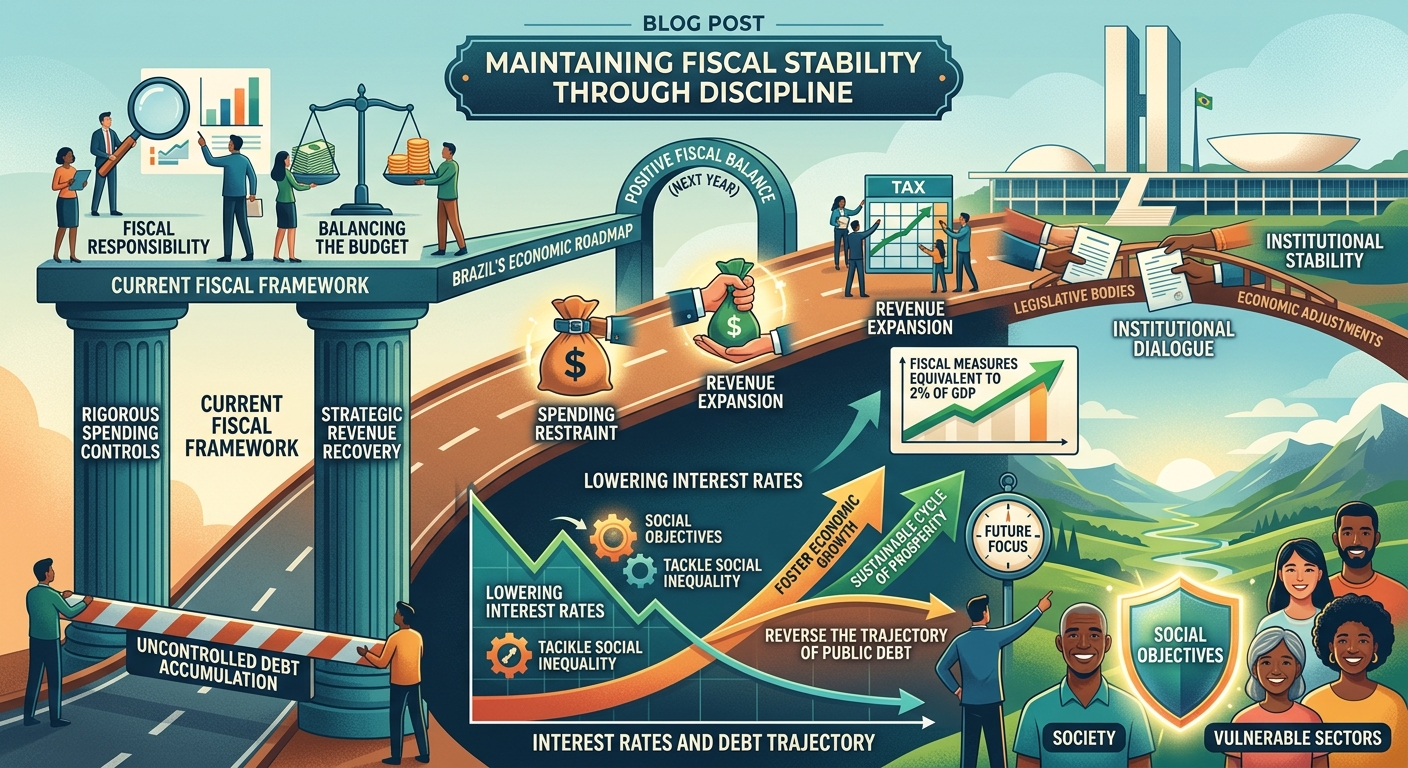
In a recent statement regarding the country’s economic roadmap, finance officials emphasized that fiscal responsibility remains a cornerstone of the national agenda. The government is committed to upholding its current fiscal framework, which relies heavily on a dual strategy: rigorous spending controls and a strategic recovery of national revenues.
This approach is designed to stabilize the economy and prevent uncontrolled debt accumulation. By balancing the budget through disciplined public spending, the administration hopes to create a more predictable environment for both domestic and international investors.
The Path Toward a Positive Fiscal Balance
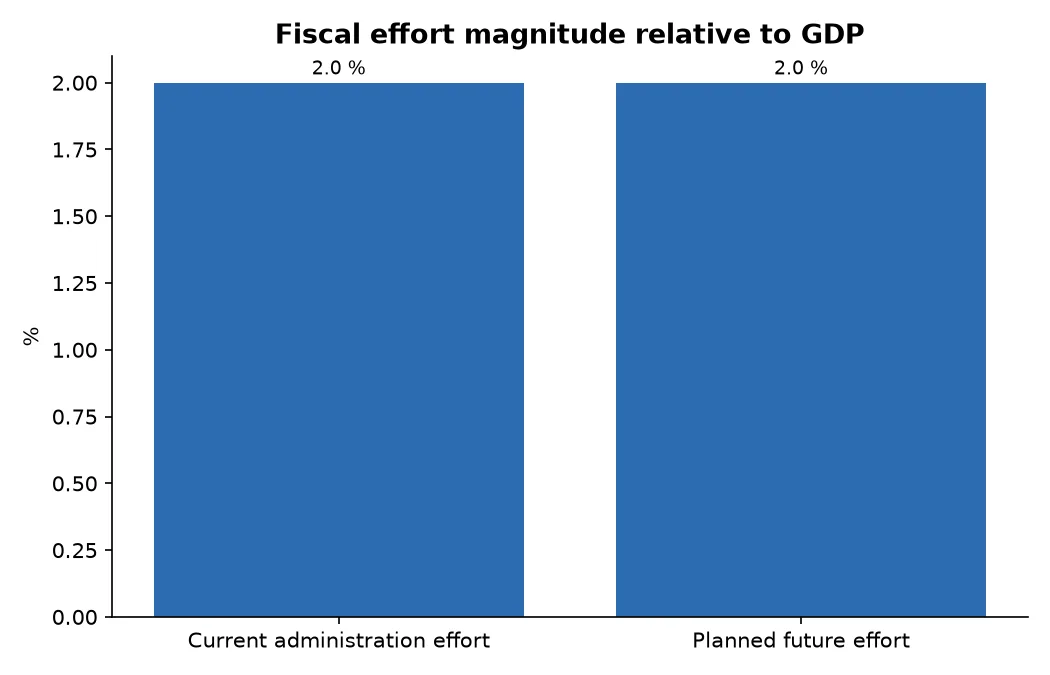
The current administration has already demonstrated a significant commitment to economic adjustment, having implemented fiscal measures equivalent to 2% of the nation’s GDP. Looking ahead, officials have indicated a readiness to replicate this level of effort to ensure the country reaches a positive fiscal result as early as next year.
Key pillars of this strategy include:
- Spending Restraint: Implementing tighter controls on public expenditure to manage the budget deficit.
- Revenue Expansion: Broadening the tax base and improving collection efficiency to increase government income without placing an unfair burden on the population.
- Institutional Dialogue: Engaging in continuous discussions with legislative bodies to refine economic adjustments and ensure political feasibility.
Interest Rates and the Debt Trajectory
A critical component of Brazil‘s economic health involves the management of interest rates. Recent monetary policy shifts have seen the central bank reduce benchmark rates, a move intended to stimulate economic activity. However, the relationship between borrowing costs and public debt remains a central focus for policymakers.
Lowering interest rates is viewed as a vital tool to tackle social inequality and potentially reverse the rising trajectory of public debt. By reducing the cost of borrowing, the government aims to foster an environment where economic growth can outpace debt accumulation, creating a sustainable cycle of prosperity.
Looking Toward the Future
As the nation approaches upcoming elections, the focus remains on institutional stability. The administration’s goal is to blend social objectives with fiscal pragmatism, ensuring that the efforts to stabilize the economy do not come at the expense of the most vulnerable sectors of society.