
The Paradox of Record Revenue and Shrinking Margins
In the competitive landscape of Latin American digital commerce, scale often comes at a significant cost. Recent financial results from the region’s leading e-commerce and fintech ecosystem reveal a striking dichotomy: while the company is successfully capturing more market share than ever, the expenses required to maintain that momentum are weighing heavily on its net income.
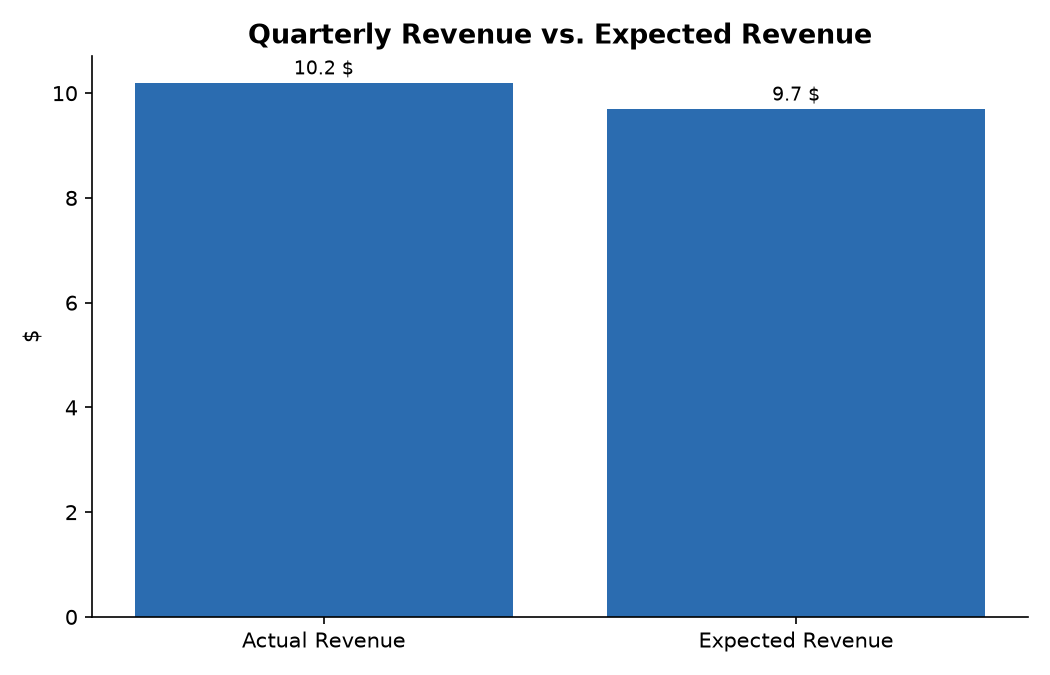
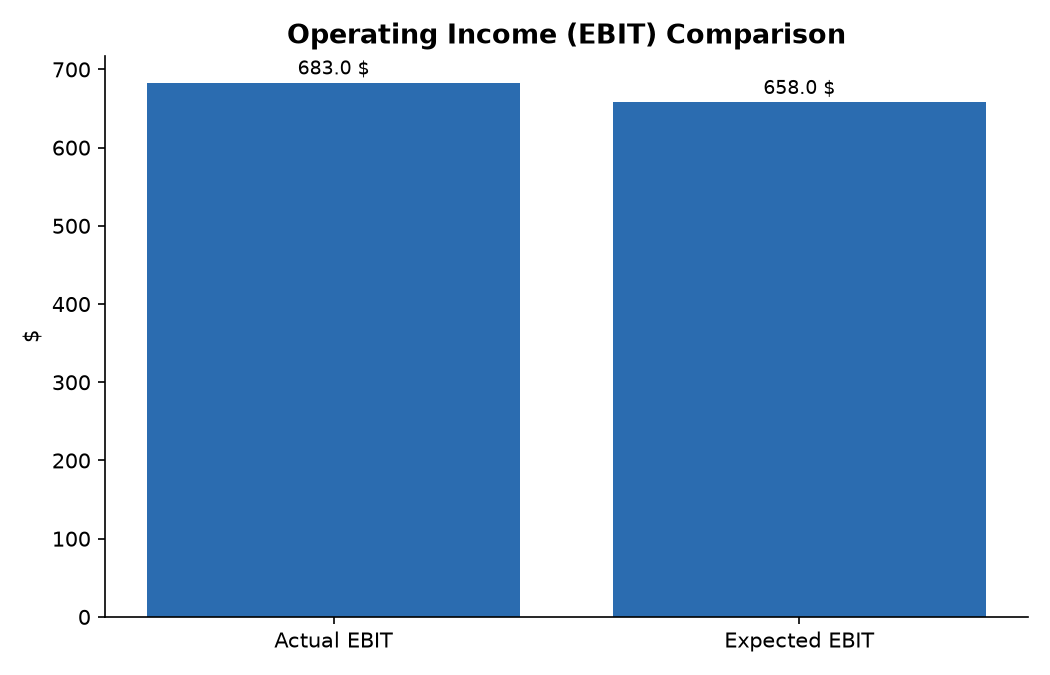
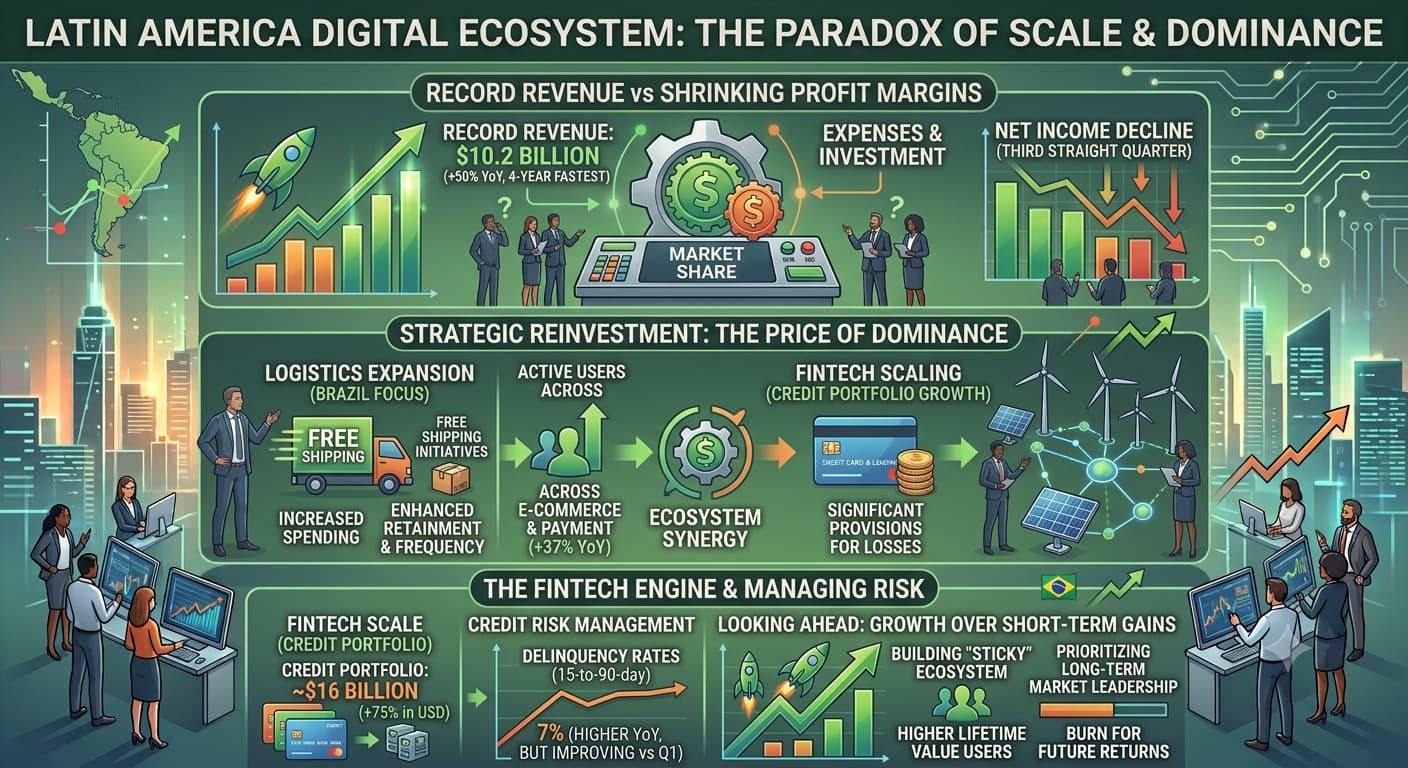
The company reported a massive surge in revenue, reaching a record $10.2 billion. This represents a 50% jump compared to the same period last year, marking the fastest expansion rate seen in four years. However, this top-line success has not translated into immediate profit growth, as investors reacted to a third straight quarterly decline in net income.
Strategic Reinvestment: The Price of Dominance
The dip in profitability is not a result of failing business operations, but rather a deliberate strategic choice. The company is aggressively pouring capital into high-growth sectors to cement its ecosystem. Two primary drivers were identified for the recent margin squeeze:
- Logistics Expansion: Increased spending on free shipping initiatives, particularly in the Brazilian market, is being used to enhance customer retention and frequency.
- Fintech Scaling: The rapid expansion of its credit card and lending services requires significant provisions for potential losses and operational scaling.
Despite these costs, the synergy between the marketplace and the fintech platform remains the company’s most potent asset. The number of users active across both the e-commerce and payment platforms grew by 37% this quarter, significantly outpacing the growth rates seen in previous years.
The Fintech Engine and Credit Risk
The company’s financial services arm is becoming a massive pillar of the business, with the credit portfolio reaching approximately $16 billion—a 75% increase in dollar terms. This growth is largely fueled by the adoption of their credit card products.
While the scale of lending is expanding, management is closely monitoring asset quality. Current delinquency rates (15-to-90-day) stand at 7%. While this is slightly higher than the previous year, it actually represents an improvement compared to the first quarter of the year, suggesting that the credit expansion is being managed with increasing precision.
Looking Ahead: Growth Over Short-Term Gains
For investors, the central question is whether the current « burn » for growth will eventually yield higher returns. The company’s leadership has made it clear: they are not willing to sacrifice long-term market leadership for short-term margin stability. By prioritizing the integration of e-commerce and fintech, they are building a « sticky » ecosystem where users who utilize both services generate significantly higher lifetime value than those who use only one.