


A Period of Economic Transition
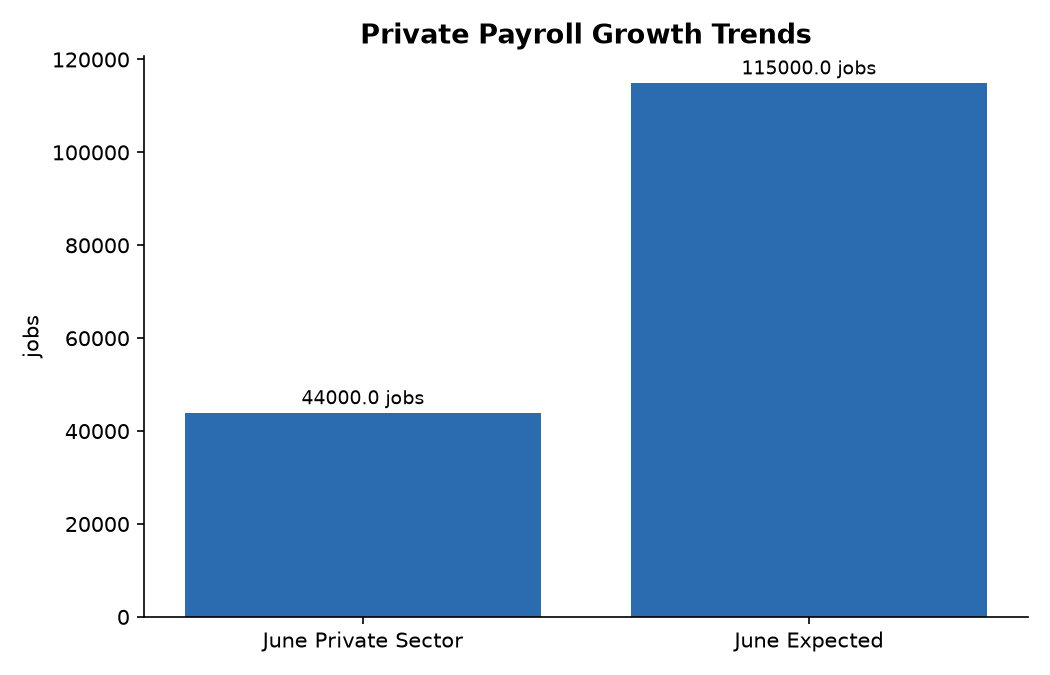
The U.S. labor market is currently navigating a complex transition period. Following a surprisingly soft performance in June, where job gains fell significantly short of analyst projections, all eyes are now fixed on the upcoming report due this Friday morning. This volatility has left many wondering whether the economy is cooling too rapidly or simply stabilizing after a period of intense growth.
Recent private-sector data has already signaled some headwinds, with payroll increases coming in below previous months’ figures. This slowdown in hiring, particularly in service-oriented sectors like hospitality and food services, has contributed to a sense of uncertainty regarding the overall trajectory of employment growth.
Expert Outlooks: Divergent Predictions
Financial strategists and economists are currently divided on what the upcoming data will reveal. While some suggest the labor market remains fundamentally healthy, others point to declining job postings as a sign of caution. The consensus among many experts suggests a moderate growth pattern for July, with expectations ranging from 75,000 to 95,000 new positions.
Key metrics to watch include:
- Unemployment Rate: Most analysts expect the rate to hover around 4.2%, though some predict a slight uptick to 4.3%.
- Wage Growth: Steady increases in average hourly earnings are expected to remain a key indicator of inflationary pressure.
- Revision Trends: There is significant interest in whether previous months’ data will be revised upward, which would signal a much stronger underlying economy.
Market Implications: The ‘Goldilocks’ Scenario
For investors, the stakes are high. The results of this report could act as a major catalyst for stock market volatility. A ‘too hot’ report—indicating excessive job growth—could reignite inflation fears and push Treasury yields higher, potentially cooling the recent rally in high-growth technology and AI sectors.
Conversely, a ‘too cold’ report could raise concerns about a potential recession. However, a ‘just right’ report—one that shows steady, moderate growth—could bolster the ‘oft landing’ narrative, suggesting the central bank can manage inflation without triggering a significant economic downturn. As the earnings season concludes, the labor market is set to become the primary driver of market sentiment and expectations for future monetary policy.