

A Stand That Resonated With Users
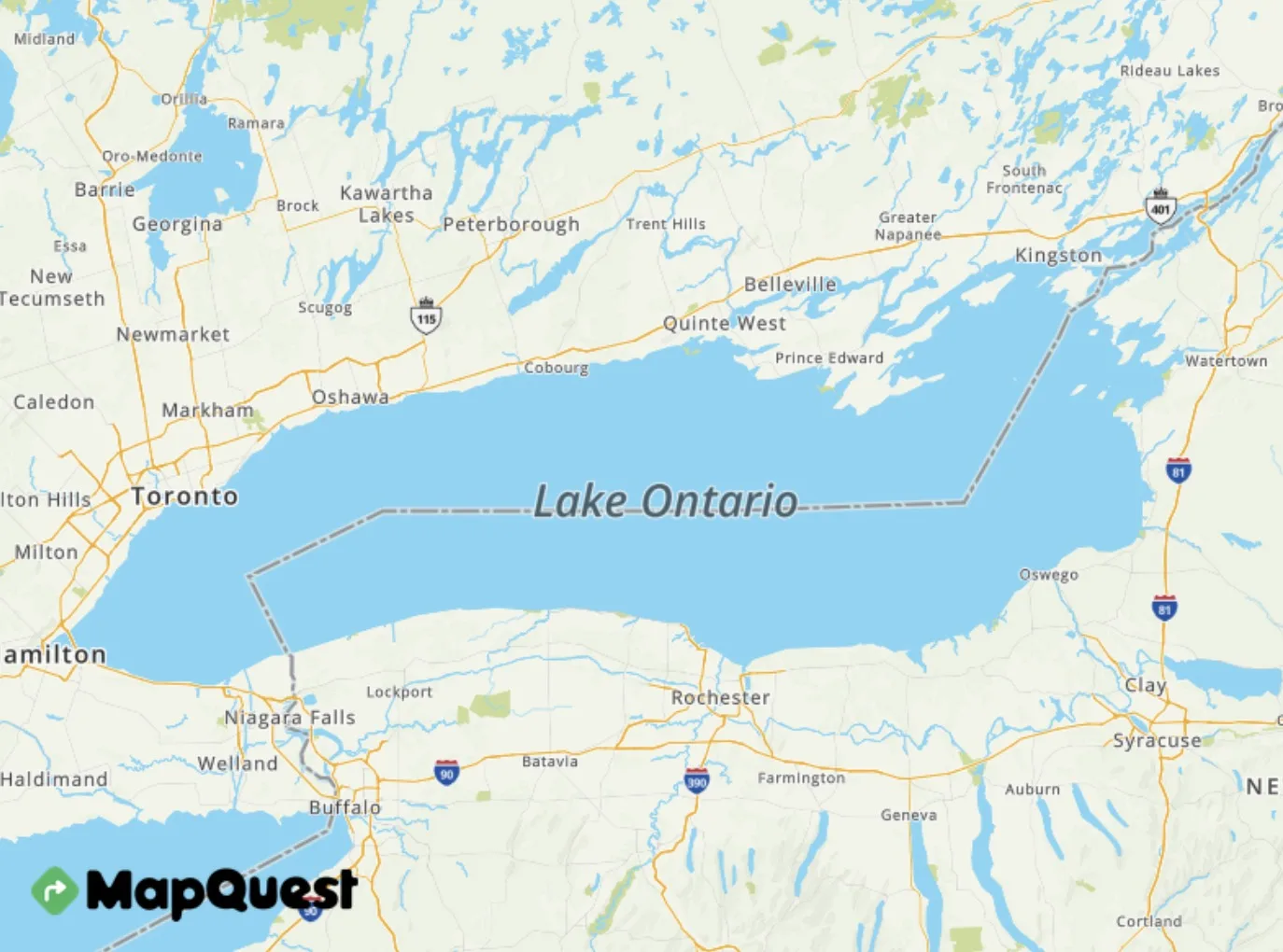
MapQuest announced that it would maintain the existing name of Lake Ontario on its maps, pushing back against a federal directive to rebrand the body of water. The decision struck a chord with users, who responded by flooding the app store with downloads. Within days, the iOS application climbed to the fourth position among non-game apps on the U.S. App Store’s top charts and secured the number one spot in the Navigation category. Overall, it reached the eighth position across all apps and games in the United States, while in Canada it climbed to second place overall.
Download Numbers Reveal the Surge
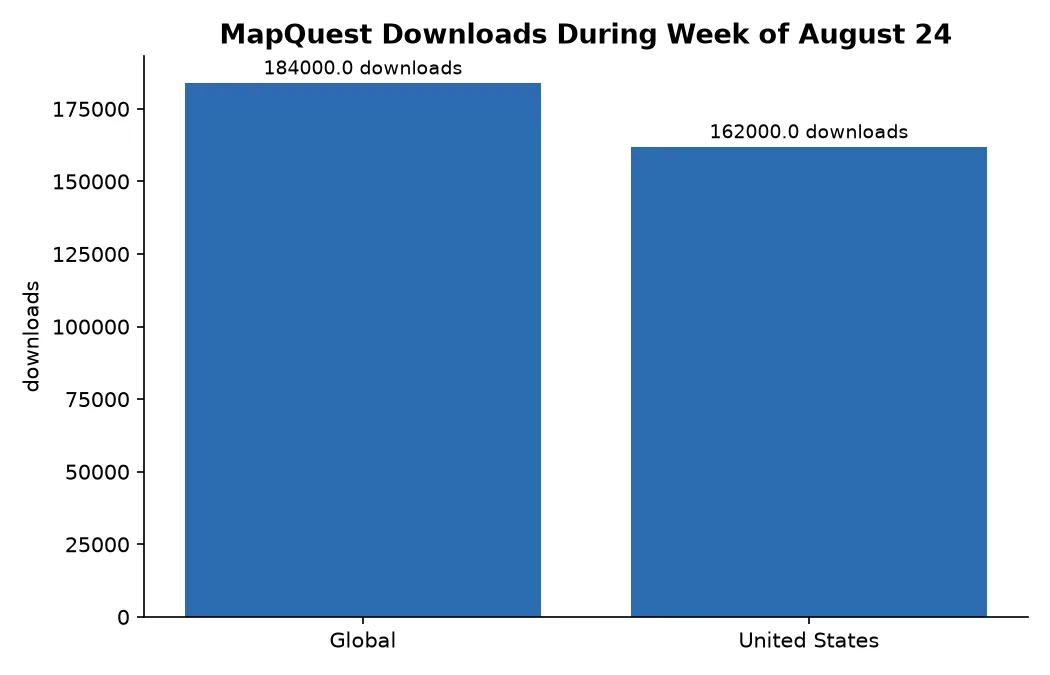
The company reported receiving a massive influx of new downloads and seeing its app usage jump to fifty times normal levels following the announcement. Independent market data corroborated these claims, showing that during the week starting August 24, MapQuest recorded 184,000 downloads globally and 162,000 in the United States alone. Both figures represented more than a tenfold increase compared to the previous week. In the U.S., daily downloads jumped 128% day-over-day between August 26 and August 30.
A Playful Response and Broader Context
MapQuest also launched an online tool allowing users to humorously rename Lake Ontario to anything they wished and share the results on social media. This echoed a similar campaign the company ran the previous year after a related renaming of a major U.S. gulf. The company’s leadership framed the approach as keeping familiar names that people already know and using that as a conversation starter.
The renaming dispute unfolded against a backdrop of deteriorating trade relations, with new tariffs imposed on billions of dollars worth of Canadian goods and retaliation threatened. Meanwhile, Google Maps confirmed it would comply with the official name change, displaying the updated name only to U.S. users while showing the original name to Canadian and international audiences. Apple Maps had not yet adopted the new name as of the same period and had not released a statement on the matter.
MapQuest’s Growth Trajectory
The surge added to an already upward trend for the thirty-year-old company. Market estimates indicated that MapQuest had been downloaded 687,000 times worldwide so far this year, a 29% increase over the same period the prior year. Since 2012, cumulative downloads have reached 24.4 million, with the overwhelming majority — 97% — coming from the United States.
The company has changed ownership multiple times over the decades, moving from its original public listing through acquisitions by major internet and telecommunications firms before being sold to an advertising technology company in 2019.