

Futures Slide as Macro Headwinds Mount
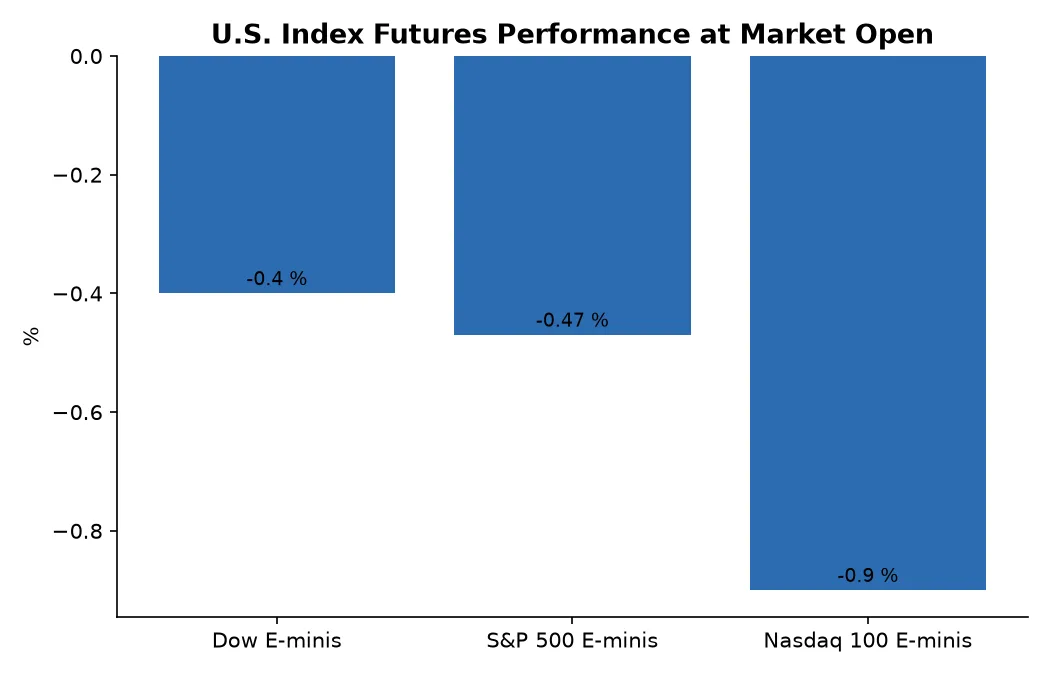
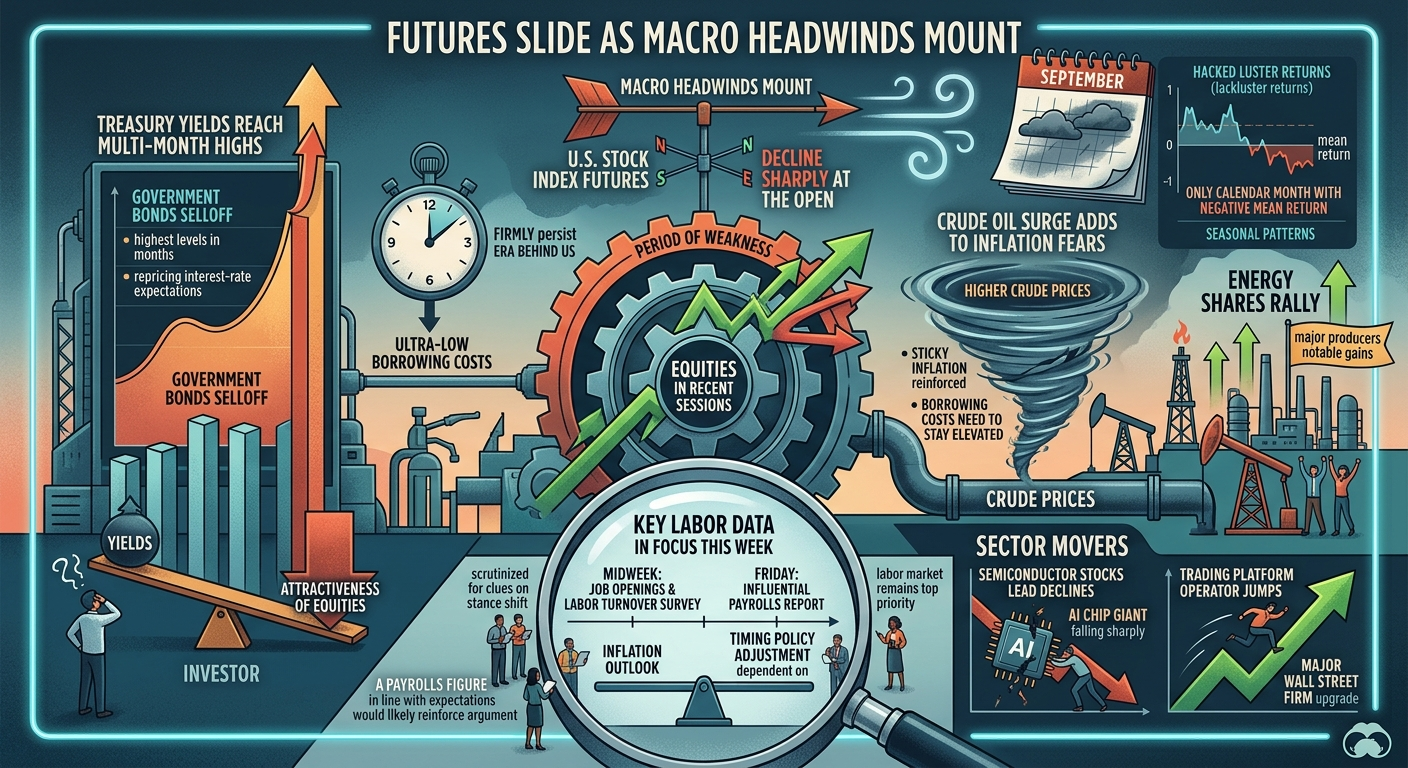
U.S. stock index futures declined sharply at the open, extending a period of weakness that has gripped equities in recent sessions. Rising bond yields and climbing oil prices formed a double headwind for risk assets, unsettling investors at the traditional kickoff of September — a month that has historically delivered lackluster returns for the broader market.
Treasury Yields Reach Multi-Month Highs
The selloff in government bonds pushed yields to their highest levels in months, eroding the attractiveness of equities relative to risk-free alternatives. A repricing of interest-rate expectations has been the dominant driver, with markets increasingly betting on tighter monetary policy for longer. Analysts note that while yields may not reach crisis thresholds, the era of ultra-low borrowing costs appears firmly behind us, and elevated yields are likely to persist.
Crude Oil Surge Adds to Inflation Fears
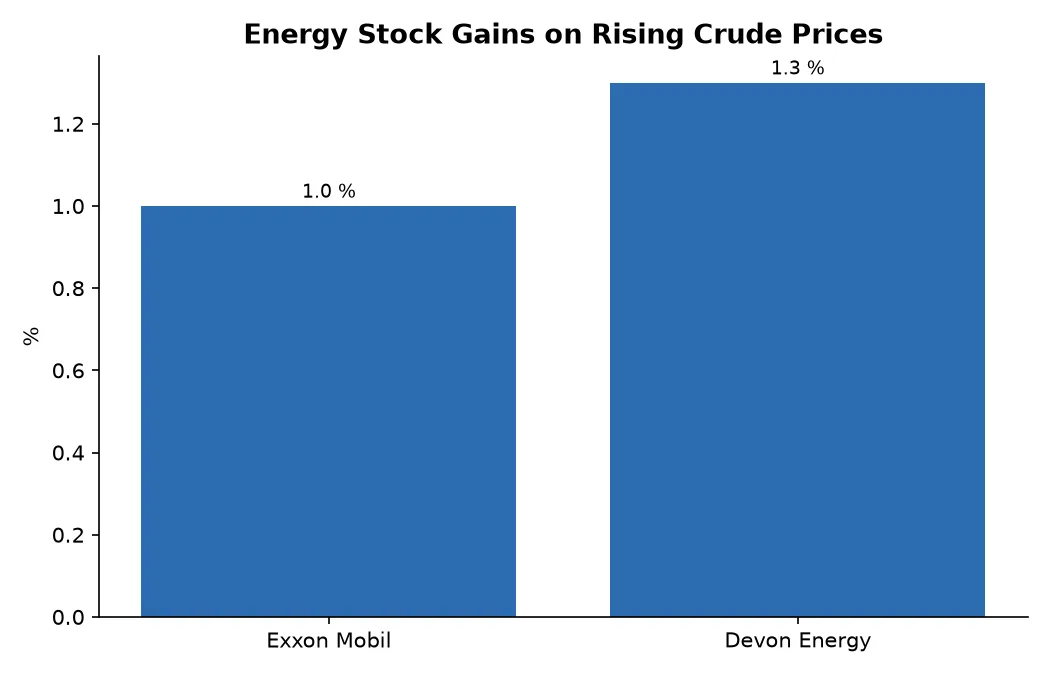
Higher crude prices have compounded concerns about sticky inflation, reinforcing the view that borrowing costs may need to stay elevated to contain price pressures. Energy shares rallied in response, with major producers seeing notable gains in premarket trading.
September Seasonal Weakness Looms
Historical data paints a sobering picture for equities in September. Over the past century, the broad market index has averaged a decline during this month, making it the only calendar month with a negative mean return. While seasonal patterns alone rarely justify abandoning a portfolio, the tendency adds another layer of caution for traders navigating an already fragile environment.
Key Labor Data in Focus This Week
All eyes are now on the upcoming labor market releases. The Job Openings and Labor Turnover Survey, widely tracked as a barometer of employment conditions, will be published midweek, followed by the more influential payrolls report on Friday. Federal Reserve officials have repeatedly emphasized that the labor market remains their top priority, and the data will be scrutinized for clues on whether the central bank might shift its stance. A payrolls figure in line with expectations would likely reinforce the argument that the timing of any policy adjustment depends more on the inflation outlook than on job creation alone.
Sector Movers
Semiconductor stocks led declines ahead of the bell, with the AI chip giant falling sharply. In contrast, the trading platform operator jumped after a major Wall Street firm upgraded its rating. Energy shares advanced alongside crude, with the two largest producers in the sector both posting gains.
As the trading week unfolds, the interplay between yield movements, energy prices, and labor data will determine whether equities can stabilize or extend their September slide.