

The Surge in Swap Futures Trading
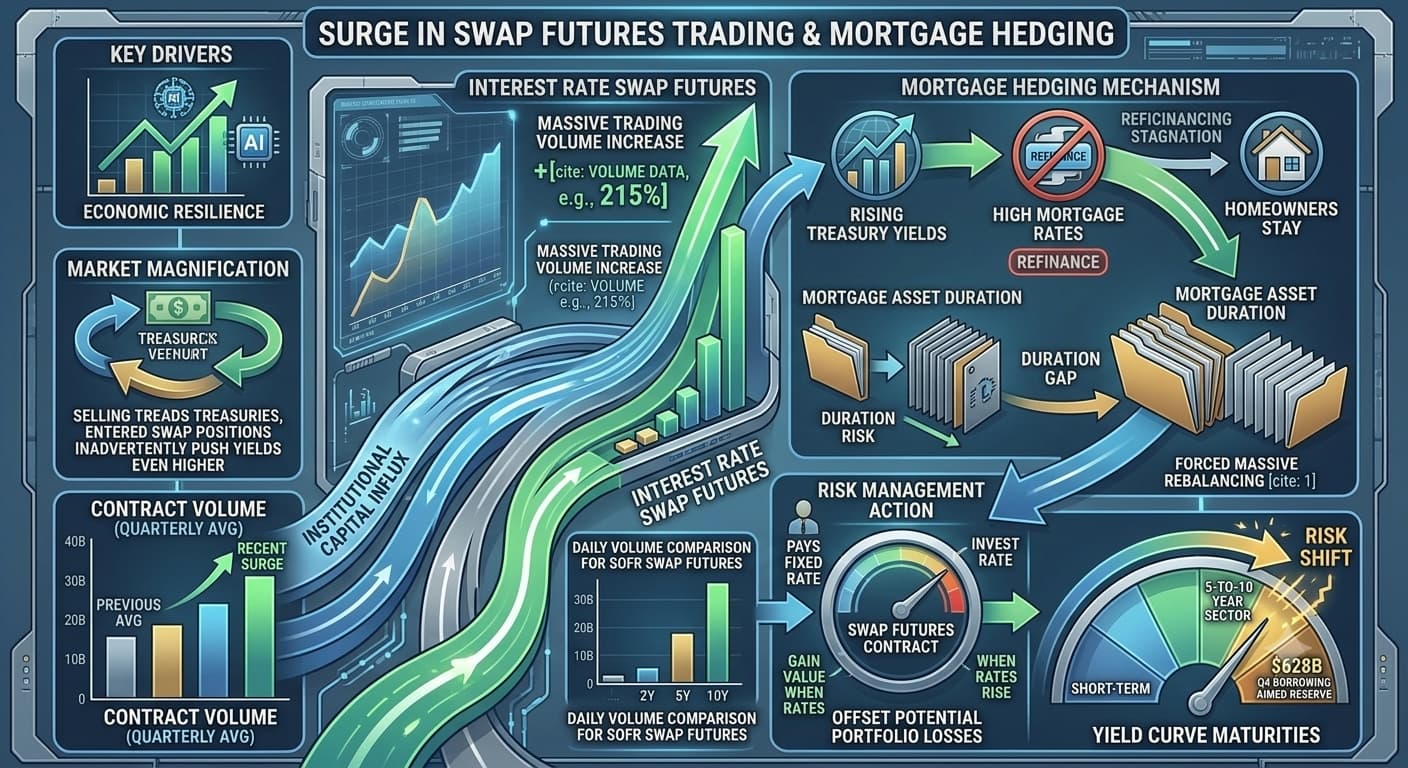
Recent market activity has seen a dramatic influx of capital into interest rate swap futures. This movement comes on the heels of a sharp increase in Treasury yields, signaling that investors are actively hedging against the possibility that borrowing costs will remain elevated for a prolonged period.
This hedging behavior is not merely speculative; it is a strategic move to mitigate risk. As Treasury yields rise, the landscape for mortgage-backed securities shifts, creating new challenges for institutional investors.
The Mortgage Hedging Mechanism
To understand why this matters, one must look at the relationship between interest rates and mortgage refinancing. When rates climb, homeowners are less likely to refinance their existing loans. For investors holding mortgage-related assets, this lack of prepayment means the expected life of these assets—known as ‘duration’—extends.
To manage this increased duration risk, investors often turn to derivatives like interest rate swaps or swap futures. By paying a fixed rate in these contracts, investors create a position that gains value when interest rates rise, effectively offsetting potential losses in their mortgage portfolios.
Key Drivers of the Current Trend
- Refinancing Stagnation: As mortgage rates move higher, the incentive for consumers to refinance disappears, pushing cash flow risks further out on the maturity curve.
- Economic Resilience: Despite inflation concerns, the strength of the U.S. economy and productivity gains from sectors like AI suggest that long-term rates may not decline as quickly as some anticipated.
- Market Magnification: This hedging activity can create a feedback loop. As investors sell Treasuries or enter swap positions to hedge, they can inadvertently push yields even higher, reinforcing the initial upward trend.
Unprecedented Trading Volumes
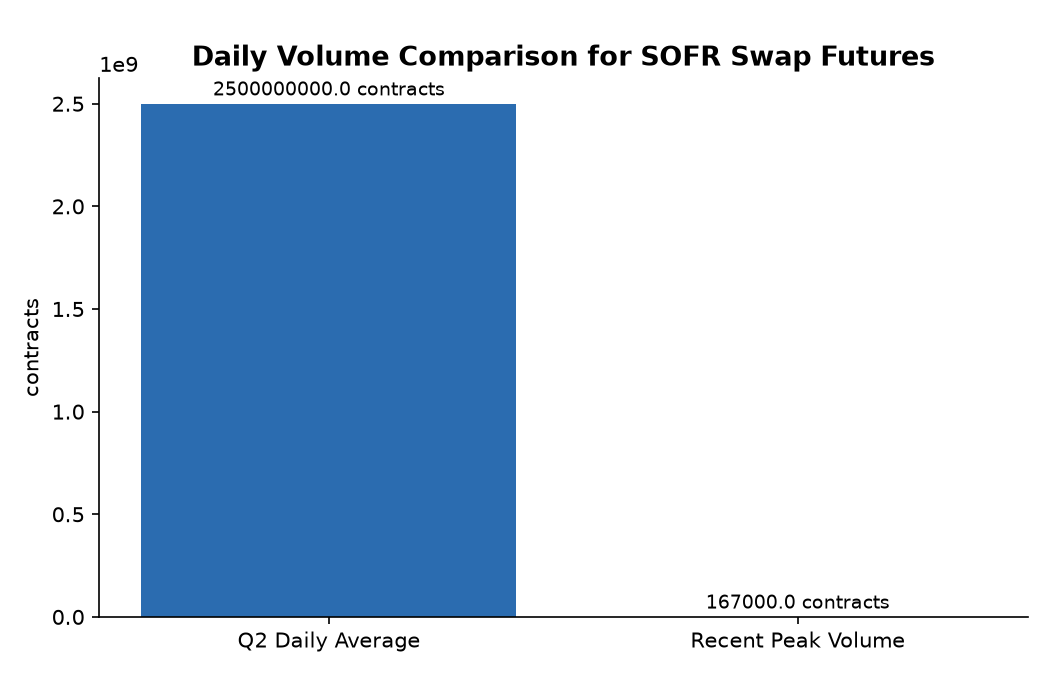
The scale of recent trading activity is notable. Recent data shows a massive surge in contract volume for specific swap futures, reaching levels significantly higher than previous quarterly averages. This volume was particularly concentrated in the 2-year, 5-year, and 10-year maturities, reflecting a broad-based effort to rebalance risk across the yield curve.
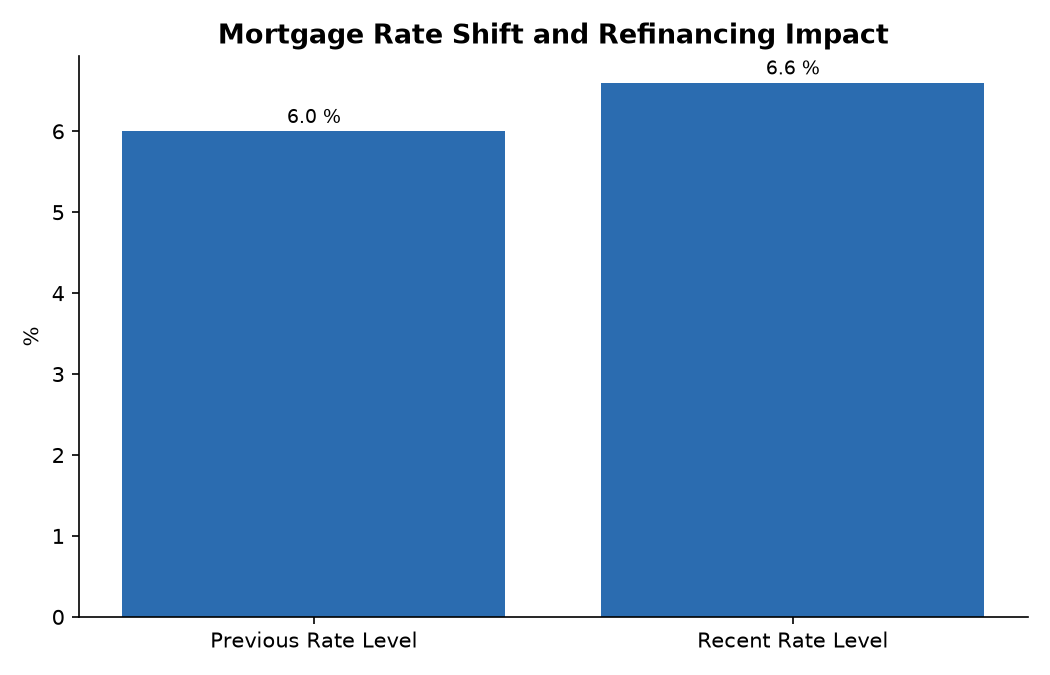
This shift highlights a critical transition: as mortgage rates rise from the 6% range toward higher levels, the risk profile moves away from short-term maturities and settles into the 5-to-10-year sector, forcing a massive rebalancing of financial instruments.